

Recent Updates

We launched AI learning feature.

How I Picked My First Forex Trading Platform

How I Picked My First Forex Trading Platform

Finding the Right Fit Without Getting Overwhelmed

  • When I first decided to get into forex trading, I was excited… and completely clueless.
  • There were charts, pips, spreads, leverage — all things I’d never heard of outside of a math test. But the one thing that stopped me from actually placing my first trade wasn’t fear or analysis paralysis.

It was the hardest question I didn’t expect:
Which forex trading platform should I use?

  • I had no idea. Google gave me way too many answers, all sounding the same. So, I decided to dig in, try a few out, and figure out what mattered to me as a total beginner.
  • If you’re new and trying to figure out the best forex trading platforms for new traders, I hope my story helps you skip the guesswork (and some of the stress).

What Even Is a Forex Trading Platform?

Before I started trading, I thought a platform was just a website where you click “buy” and “sell.”

Turns out, a forex trading platform is the software that connects you to the market. It’s where you:

  • Analyze price charts
  • Place and manage trades
  • Access indicators and tools
  • Track your profits (or losses, let’s be honest)
  • Some platforms are web-based, some are apps, and some are downloadable programs like the legendary MetaTrader 4 (MT4).

Step 1: I Defined What I Needed

 a new trader, I wasn’t looking for 50 technical indicators or lightning-fast execution (I mean, I was still figuring out how to read a candlestick).

What I really needed was:

  • A clean interface — no clutter, no confusion
  • A good demo account — I wasn’t ready to risk real money
  • Built-in education — preferably where I didn’t have to Google every term
  • Mobile access — I travel a lot, so being tied to a desktop was a no-go

And most importantly:

  • It had to make me feel comfortable, not overwhelmed.
  • That list helped me filter out a bunch of overly complex or outdated platforms right away.

Step 2: I Tried 4 Demo Accounts 

Here’s what I found when I started testing demo platforms — some surprised me.

MetaTrader 4 (MT4): The Industry Standard, But a Bit Much

My first thought: “Is this Windows 98?”

  • MT4 is powerful — there’s no denying that. You can use custom indicators, automate trades, and go deep into analysis. But as a brand-new trader, I felt like I was handed the cockpit of a fighter jet before I even knew how to ride a bike.
  • I stuck with it for a few days, but it just wasn’t beginner-friendly for me. That said, many brokers use MT4, so if you want to grow into it, it’s worth getting familiar.

Best for: Tech-savvy beginners with an interest in charting and automation
Not great for: People who want a more modern, simple experience

OANDA Web + Mobile Platform: My Favorite Pick
After fumbling around with MT4, OANDA felt like a breath of fresh air.

  • The platform was super clean, everything was clearly labeled, and — most importantly — I didn’t need a manual to open a trade.
  • What I loved most was that I could adjust trade size in dollars or units instead of guessing lot sizes. That alone helped me avoid some early mistakes.
  • Plus, the mobile app worked almost exactly like the desktop version, so I could practice during lunch breaks or while commuting.

Best for: True beginners who want clarity and a smooth mobile experience
Not great for: Advanced traders looking for lots of customization

FOREX.com Platform: Well-Balanced and Beginner-Friendly

FOREX.com’s platform struck a good balance. It wasn’t overly basic, but it wasn’t intimidating either.

  • The layout was intuitive, with tabs for charts, trades, news, and analysis. Their learning center was especially helpful — it explained the “why” behind things like margin and pip values in a way that clicked for me.
  • It also offered both a web version and MT4 access, which meant I could start simple and graduate to more complex tools if I wanted.

Best for: Beginners who want to learn and grow into more advanced strategies
Not great for: Ultra-minimalists who just want to trade casually

eToro: Social, But Distracting
eToro was the most fun platform I tried — with a social feed, copy trading, and a “trader leaderboard.”

  • At first, it felt like Instagram-meets-trading, and I liked seeing what other people were doing. But after a while, I realized I wasn’t learning to trade — I was just copying.
  • While copy trading can be a way to explore, it also became a shortcut that stopped me from actually understanding what I was doing. I needed a platform that would help me learn the skills, not just mimic someone else’s.

Best for: Casual traders or those interested in social trading
Not great for: Serious learners who want to build long-term skills

Step 3: I Focused on the Learning Curve

One of the smartest things I did (even though it wasn’t on purpose at the time) was to stick with one platform for 30 days.

  1. I chose OANDA for my demo account, simply because it made me feel the most at ease.
  2. And because I wasn’t jumping from one tool to another, I actually got the hang of trading:
  3. I learned how to place stop losses
  4. I understood how to calculate position sizes
  5. I figured out how to read the chart without panicking
  6. No fancy tools. Just repetition, patience, and a platform that didn’t fight me.

 What I Learned Matters Most in Forex Trading Platforms for New Traders

After all the testing, switching, and tinkering, I came away with a short list of what really matters for new traders:

  1. Clarity Over Complexity
    If it takes 10 clicks to open a trade or find your balance, it’s too much.
  2. A Risk-Free Demo
    Make your mistakes with fake money. Learn how the platform works before going live.
  3.  Simple Trade Management
    Look for platforms where you can easily set stop losses, take profits, and see risk per trade. You don’t need bells and whistles at the start.
  4. Support + Education
    Live chat, tutorials, video walkthroughs — these saved me more than once.

My Final Pick: OANDA (And Why It Worked for Me)

  • I stuck with OANDA as my first real money platform, and I don’t regret it. It wasn’t the flashiest or the fastest, but it made me feel confident and in control.
  • That’s what matters when you’re new. Not leverage or spreads — confidence.
  • Once I knew what I was doing, I started testing out MT4 and other platforms again with a much better understanding.

Wrap-Up: How to Pick Your First Forex Platform

Here’s how I’d recommend choosing your first platform if you’re just getting started:

  1. Open 2-3 demo accounts — Try them all out and trust your gut.
  2. Spend time on one — Get used to it, make mistakes, ask questions.
  3. Don’t chase “features” — Look for ease of use, support, and learning tools.
  4. Avoid platforms that overwhelm you — There’s no rush. Start where you feel comfortable.


Next Article To Read:  The Forex Risk Management Rules That Saved My Account

How I Figured Out Lot Sizes Without Getting Confused

How I Figured Out Lot Sizes Without Getting Confused

A Beginner’s Guide to Understanding Lot Sizes in Forex

When I first started exploring forex trading, I kept seeing people talk about “lot sizes.” They’d casually drop phrases like:

Just trade one mini lot.
I risk one standard lot per trade.
“Make sure your lot size fits your risk tolerance.

And I’d be sitting there like:
What is a lot… and why does everyone act like I already know?

  • If that sounds familiar, don’t worry — I’ve been there. Lot sizes confused the heck out of me in the beginning, but once I broke them down into real-life numbers, it all clicked.
  • In this article, I’ll walk you through understanding lot sizes in forex in the same way I taught myself — with clear examples, simple math, and a few “oops” moments along the way.

 What Even Is a Lot Size in Forex?

Let’s start at the top.

  • A lot size in forex refers to the amount of currency you’re buying or selling in a single trade. It’s how forex brokers standardize trade sizes — kind of like ordering drinks in small, medium, or large.
  • But instead of cups of coffee, you’re trading thousands of currency units.

Here are the four most common lot sizes:

Lot Type Units of Base Currency Pip Value (for USD pairs)

Standard Lot 100,000 units $10 per pip
Mini Lot 10,000 units $1 per pip
Micro Lot 1,000 units $0.10 per pip
Nano Lot 100 units $0.01 per pip

So when someone says they’re trading “1 lot,” they usually mean 1 standard lot = 100,000 units of the base currency. (Unless they say “mini” or “micro.”)

My First Time Trading a Lot (And Failing)

  • I remember opening a demo trade with 1 standard lot on EUR/USD because I thought, “If I win this trade, I’ll make $100 easy!”
  • What I didn’t realize was that each pip was worth $10, and I had no stop loss in place.
  • The trade went against me by 40 pips.
    Poof — that was a $400 loss… on a fake account, thankfully.

That moment taught me:

Lot size = risk size.

And if you don’t understand your lot size, you’re basically gambling.

 How Lot Size, Pip Value, and Risk All Connect

This is the key to understanding lot sizes in forex:
Your lot size determines your pip value, which determines how much money you gain or lose per price movement.

Let’s break it down with an example:

 Example: Trading 1 Mini Lot (10,000 units)

Pair: EUR/USD

Lot size: 1 mini lot

Pip value: $1

Stop loss: 30 pips

If the trade goes against you, you lose:

30 pips × $1 = $30

Now, if you were trading 1 standard lot instead, the same trade would cost:

30 pips × $10 = $300

Same setup — 10x more risk. That’s why lot size matters.

 How I Finally Made Sense of Lot Sizes

Step 1: Decide How Much You’re Willing to Risk

Most traders recommend risking 1–2% of your account per trade.

So if I had a $1,000 account, I’d risk:

1% = $10 per trade

2% = $20 per trade

I personally started with 1%, just to be safe.

Step 2: Figure Out Your Stop Loss in Pips

Next, I’d look at the chart and figure out where my stop loss should go. Let’s say I was placing it 20 pips away from my entry.

Step 3: Use This Formula to Calculate Lot Size

Here’s the magic formula:

java
Copy
Edit
Lot Size = (Risk in $) / (Stop Loss in Pips × Pip Value per Lot)
But to keep it super simple, I used this mini version:

Micro lot = $0.10 per pip
Mini lot = $1 per pip
Standard lot = $10 per pip

So let’s plug in my example:

  • Risk = $10
  • Stop Loss = 20 pips
  • Pip value = $1 (mini lot)
  • If 1 mini lot = $1 per pip, and I’m risking 20 pips, I’d be risking $20 — too much.
  • So I’d scale down to 0.5 mini lots (5,000 units), which is $0.50 per pip.
    Now I’m risking: 20 × $0.50 = $10
  • Perfect!

 Tools I Use to Make It Easier

At first, I did the math manually — which was a good learning experience. But eventually, I found some handy tools:

1. Position Size Calculators

Websites like Myfxbook or BabyPips have free calculators. You just input:

  • Your account size
  • Risk %
  • Currency pair
  • Stop loss in pips
  • And boom — they tell you your ideal lot size.

2. TradingView or MT4 Scripts

Once I got into MetaTrader 4, I found custom indicators that calculated lot size automatically based on stop loss. It saved me a ton of time and guesswork.

Choosing the Right Lot Size for You

Here’s the thing:bigger is not always better. Choosing the right lot size isn’t about “making more money” — it’s about staying in the game long enough to learn.

 If You’re Just Starting Out

I highly recommend sticking with micro or nano lots. Even if your account is $1,000+, start small. Focus on learning to read charts, manage risk, and control emotions.

 If You’re Using a Demo Account
Play around with all the lot sizes to see how they behave. I learned a ton by opening two demo trades with different sizes and watching how they moved differently — even when the price action was the same.

 Mistakes I Made (So You Don’t Have To)

Let me save you from a few facepalm moments I had:

  • I ignored leverage – Don’t forget that trading large lots with high leverage can wipe out your account fast.
  • I forgot to adjust for JPY pairs – For yen-based pairs, pip values are slightly different. Always check.
  • I thought lot size = trade size – It kind of does, but it’s actually about risk exposure, not how “big” your trade feels.

Quick Recap: Understanding Lot Sizes in Forex

Here’s the TL;DR if you need a cheat sheet:

Lot size = number of currency units per trade

Common lot sizes:

  • Standard = 100,000 units ($10/pip)
  • Mini = 10,000 units ($1/pip)
  • Micro = 1,000 units ($0.10/pip)
  • Nano = 100 units ($0.01/pip)

Choose your lot size based on:

  1. Your risk tolerance
  2. Your account size
  3. Your stop loss in pips
  4. Use calculators to make life easier
  5. Always know how much a pip is worth before opening a trade

Final Thoughts: Small Lots, Big Lessons

  • Figuring out lot sizes felt like a weird math test at first, but once I saw how it connected to real dollars and real trades, it all made sense.
  • If you’re just starting out, don’t rush to trade big. Use micro lots, take your time, and focus on staying consistent. The goal isn’t to win big right away — it’s to survive long enough to get good.
  • Once you’ve mastered lot sizes, you’ll trade smarter, manage risk better, and feel way more confident placing each order.
  • Still confused about calculating your perfect lot size? I’m happy to help — drop your numbers and I’ll walk you through it!

Next Article To Read:  How I Picked My First Forex Trading Platform


Why I Started With a Forex Demo Account
Why I Started With a Forex Demo Account
Testing the Waters Before You Dive Into Real Money Trading

When I first got interested in forex trading, I had two very strong thoughts:

This sounds awesome — I could trade money and make more money?

Wait… how does any of this actually work?

I knew I had a lot to learn. And that’s when I discovered demo accounts — basically training wheels for forex. Looking back, starting with a forex demo account was one of the best decisions I made. In this article, I’ll explain why I started with a demo account (and why you probably should too), especially if you’re looking for the best forex demo accounts for beginners.


What Is a Forex Demo Account?

Let’s start simple.

A forex demo account is a practice trading account that uses fake money but real-time market conditions. You can make trades, test strategies, and explore trading platforms without risking a single dollar.


It’s like playing a video game version of forex — but with live data.

Imagine trying to learn to ride a bike on a freeway. That’s what diving into live trading without practice feels like. Demo accounts are your safe neighborhood street.

Why I Didn’t Jump Into Live Trading Right Away
I’ll be honest: I was tempted to start trading live right away. I watched a couple YouTube videos, read a blog or two, and thought, “I got this.

But then I opened up a trading platform and saw:

  • Candlestick charts
  • Leverage settings
  • Bid/Ask prices
  • Stop loss orders
  • Something called “pips” (??)
  • It was like trying to fly a plane with no training.
  • That’s when I hit pause and opened a demo account instead. Smartest move I made all year.

 Benefits of Starting With a Forex Demo Account

1. You Learn Without Losing Money

This one’s obvious, but so important. I made so many bad trades in my first week.

  • I misread charts
  • I forgot to set stop losses
  • I accidentally opened a position for 10 times more than I meant to
  • If that had been real money? I’d have blown up my account faster than you can say “margin call.”
  • Demo accounts gave me a safe space to fail — and learn.

2. You Get Familiar With Your Platform

Different brokers use different trading platforms, and each one has its quirks. Some are sleek and simple (like IG or eToro), while others (like MetaTrader 4 or 5) feel like mission control.

In my first few days with a demo account, I learned:

  • How to open/close trades
  • How to read candlestick charts
  • How to place stop-loss and take-profit orders
  • What leverage actually does (spoiler: it can help or wreck you)
  • You don’t want to figure this stuff out with real money on the line.

3. You Can Test Strategies Risk-Free

I tried a few different beginner strategies in demo mode:

  1. Support and resistance zones
  2. RSI overbought/oversold signals
  3. Moving average crossovers
  4. Some of them worked, some didn’t. But I could test everything without panic, emotion, or losing cash. I even started journaling my demo trades to see patterns in my mistakes.
  5. That experience was huge when I eventually switched to a real account.

4. You Learn to Manage Emotions (Sort Of)

Even in a demo account, you’ll start to feel it:

  1. The excitement when you’re “up” $200
  2. The frustration when you’re suddenly “down” $300
  3. The temptation to overtrade or “revenge trade”
  4. This emotional rollercoaster is part of trading — and demo accounts let you start to experience that without the financial pain.

Pro tip: Pretend your demo account is real. It makes the lessons stick better.

 What to Look for in the Best Forex Demo Accounts for Beginners
Not all demo accounts are created equal. Here’s what I looked for when choosing mine (and what I’d recommend to you):

 1. Easy-to-Use Platform

If it feels like you need a PhD just to place a trade, it’s not beginner-friendly.

Look for platforms that are:

  • Clean and intuitive
  • Easy to navigate
  • Available on both desktop and mobile
  • Some beginner favorites: eToro, IG, OANDA, and FOREX.com

 2. Real-Time Market Data

The whole point of a demo account is to simulate the real market. You want data that updates in real-time — not delayed or simulated junk.

Most good brokers offer live pricing in their demo accounts, which is crucial for realistic practice.

 3. Adjustable Demo Balance

Some brokers start you with $100,000 in demo money. That’s fun, but not realistic.

I changed mine to $1,000 to match what I’d actually be trading with. That made my practice feel more real and my risk management more accurate.

Make sure your demo account lets you adjust the starting balance.

 4. Easy Switch Between Demo and Live

Eventually, you’ll want to move to a real account. It’s super helpful if the broker lets you switch between demo and live accounts with one login.

No need to start from scratch or learn a new platform.

Here Are Some of the Best Forex Demo Accounts for Beginners (From My Experience)

eToro

  1. Super beginner-friendly
  2. Copy trading feature (you can follow pros)
  3. Web-based and mobile app
  4. Clean interface

 IG

  1. Great educational content
  2. Powerful charts
  3. Regulated and trustworthy
  4. Realistic trading environment

 OANDA

  1. Flexible demo balance
  2. Solid mobile experience
  3. Beginner to intermediate level tools

 FOREX.com

  1. One of the most established brokers
  2. Excellent platform options
  3. MetaTrader available if you want to level up later

 My Personal Journey: From Demo to Live

  • I practiced on my demo account for three full months before switching to real money. At first, I was trading wildly — opening random trades just to see what happened.
  • Then I got more serious.
  • I tracked trades in a spreadsheet
  • I focused on just two currency pairs
  • I used the same risk rules every time
  • By the time I went live, I already had a rhythm — and a much better understanding of what I was doing.
  • Did I still lose money sometimes? Of course. But I lost way less than I would’ve without that practice period.

Final Thoughts: Demo First, Always

Forex trading can be exciting, fast-paced, and even profitable. But it can also be stressful, overwhelming, and — let’s be honest — financially painful if you jump in too soon.

That’s why I always tell new traders:

Start with a demo account. Stay there until you’re confident. Then go live with caution.

You wouldn’t skydive without a harness, right? Demo trading is your harness. It won’t guarantee success — but it gives you the tools to survive the fall and maybe even enjoy the ride.

Quick Recap: Why Demo Accounts Rock

  • You can learn the basics safely
  • You get to test the platform risk-free
  • You can try strategies and see what fits
  • You avoid costly beginner mistakes
  • You gain confidence and emotional control
  • So if you’re searching for the best forex demo accounts for beginners, pick one that feels easy, gives you real data, and lets you practice like it’s the real deal

Next Article To Read:  How I Figured Out Lot Sizes Without Getting Confused


How I Started Investing Sustainably With Just $50

How I Started Investing Sustainably With Just $50

As a beginner investor, I’ll admit that it felt a bit overwhelming at first. I wanted to start investing, but I also wanted to make sure my money was being used in ways that aligned with my values. I didn’t want to just throw my money at any random stock or fund; I wanted to support companies and initiatives that were actively helping the environment, improving social justice, or promoting ethical practices.

Sustainable investing, also known as “green investing,” seemed like the perfect fit. But there was one problem — I didn’t have a lot of money to start with. As a beginner, I didn’t have thousands of dollars to throw around. In fact, I only had $50 to spare each month. But that’s when I realized that even small investments can make a difference, especially if they’re invested in the right places.

If you’re in the same boat, wondering how to start green investing with a small amount of money, I’ve got you covered. Here’s how I got started with just $50 and how you can, too.

Why I Chose Green Investing

Before we dive into the how, I want to share why green investing became so important to me. I’ve always been passionate about the environment and supporting companies that align with my personal values. But when I started thinking about how to put my money where my mouth was, I realized I could leverage my investments to not only grow my wealth but also support sustainable practices.

Green investing involves putting your money into companies, funds, or initiatives that prioritize environmental sustainability, social responsibility, and ethical governance (known as ESG investing). For example, this could mean investing in companies that focus on renewable energy, sustainable farming, or cutting down carbon emissions.

I felt like this was the perfect blend of doing something good for the world and still growing my wealth. The best part? You don’t need a fortune to get started. If I could do it with just $50, so can you.

Getting Started With $50

When I first decided to invest sustainably, I didn’t have a lot of extra money in my budget. However, I did have $50 I could spare each month. So I started thinking about how I could use that small amount to invest sustainably.

Here’s how I made it work:

1. Choose the Right Investment Account

  • The first thing I had to do was decide where to put my $50 each month. After some research, I realized that opening a brokerage account would be the simplest option for me. With a brokerage account, I could easily buy and sell stocks, bonds, and ETFs (exchange-traded funds).
  • For sustainable investing, I didn’t want to just buy individual stocks. Instead, I focused on ETFs and mutual funds that already have a built-in sustainable focus. These funds allow me to invest in a diversified group of companies, many of which prioritize green initiatives and ethical practices.
  • There are several brokerage platforms that offer no minimum deposit and low fees, which made it easy for me to start with just $50. Some of the ones I considered included Fidelity, Charles Schwab, and E*TRADE. They all offered access to sustainable investing funds, making it easy for me to get started.

2. Focus on Sustainable ETFs and Mutual Funds

Instead of picking individual stocks, I chose sustainable ETFs that were already focused on green and ethical investing. ETFs are great for beginners because they allow you to invest in a basket of companies, which helps spread out the risk.

For example, I found ETFs that focus on clean energy, environmental protection, or companies that follow ESG (Environmental, Social, and Governance) principles. Some of the popular green ETFs include:

iShares Global Clean Energy ETF (ICLN): This ETF invests in companies involved in renewable energy, like wind and solar power.

SPYG ESG ETF: This fund tracks companies with strong ESG scores, meaning they are ethical and sustainable in their practices.

Vanguard ESG U.S. Stock ETF (ESGV): A diversified ETF that invests in companies with high environmental, social, and governance scores.

By investing in these funds, I was able to get exposure to a broad range of companies that focus on sustainability, without needing to research individual companies. Plus, the fees on these funds were relatively low, which meant more of my $50 went into actual investments rather than fees.

3. Use Fractional Shares to Stretch My $50

  • Another key step was taking advantage of fractional shares. Since $50 doesn’t go far in the stock market when you’re buying full shares of expensive companies, I made sure to invest in platforms that allowed me to purchase fractional shares. This means I could buy a portion of a share instead of having to save up for a whole share of something like Tesla or Google.
  • For example, I was able to buy fractional shares of some clean energy ETFs with my $50, which allowed me to get a slice of stocks like NextEra Energy or First Solar, even though their full share prices were higher than I could afford.
  • Platforms like Robinhood and Fidelity offer fractional shares, which was perfect for me as a beginner with a tight budget.

What I Learned Along the Way

Over the past few months, I’ve learned a lot about how sustainable investing works and how to make the most of a small investment. Here are a few key takeaways from my experience:

1. It’s About Progress, Not Perfection

When I first started, I was worried that my $50 wasn’t enough to make any real impact. But over time, I realized that sustainable investing is more about progress than perfection. Even small investments can add up, and they can support companies that are actively making a difference.

I’ve found that getting into the habit of investing regularly, no matter how small, is more important than trying to hit the “perfect” investment. As long as I continue to invest, my portfolio will grow — and so will the positive impact I’m making.

2. Sustainable Investing Can Be Profitable

When people think of green investing, they sometimes assume that it’s less profitable than traditional investing. But in my experience, sustainable funds can offer competitive returns. Many of the companies that focus on sustainability, such as those in the clean energy sector, have been growing rapidly as demand for environmentally friendly solutions rises.

For example, when I invested in a clean energy ETF, I noticed that the fund saw decent growth over the last few months, even amid market fluctuations. While there’s no guarantee that every green investment will perform well, I’ve found that many sustainable companies are booming in today’s world.

3. Green Investing Isn’t Just About the Environment

One thing I didn’t initially realize was that green investing isn’t just about environmental sustainability. It also involves ethical business practices and promoting social good. Many of the companies I’ve invested in are also leaders in social justice, promoting diversity, and advocating for strong governance practices. These are just as important to me as environmental sustainability.

How You Can Start Green Investing with $50

If you’re ready to take the plunge into sustainable investing but only have $50 to start, here’s a step-by-step guide to help you get started:

1. Choose a Low-Cost Brokerage Platform

Look for a platform that offers no minimum deposit and low fees, so your $50 goes farther. Options like Fidelity, Robinhood, and Charles Schwab are great for beginners.

2. Look for Green or ESG Funds

Focus on ETFs and mutual funds that specialize in sustainable, ethical investing. There are plenty of green-focused funds that invest in clean energy, climate change solutions, and ethical companies. Some examples include the iShares Global Clean Energy ETF and Vanguard ESG U.S. Stock ETF.

3. Use Fractional Shares

Since $50 isn’t a lot, use fractional shares to maximize your investment. Platforms like Robinhood and Fidelity allow you to buy fractional shares, meaning you can invest in expensive stocks and ETFs without needing a large sum of money.

4. Stay Consistent

Even if you can only afford to invest $50 a month, stick to it. Consistency is key in building long-term wealth, and small, regular contributions will help your portfolio grow over time.

Final Thoughts

  • Starting with just $50 might seem small, but it’s a powerful step toward investing sustainably and building wealth. Sustainable investing doesn’t have to be complicated or expensive — with the right tools and mindset, anyone can start, no matter their budget.
  • By focusing on ETFs and mutual funds, using fractional shares, and investing in companies that prioritize both profit and positive environmental or social impact, I’m creating a portfolio that reflects my values while working toward my financial goals.
  • If you’re a beginner, don’t let a small budget hold you back. Start today with whatever you can — and watch your investments, and the world, grow.


Next Article To Read:  How I Invest $100 Every Month (Even on a Tight Budget)


Is Technical Analysis Worth Learning as a Beginner?

Is Technical Analysis Worth Learning as a Beginner?

If you’re just getting started with trading or investing, you’ve probably stumbled across something called technical analysis — the study of price charts, patterns, indicators, and all kinds of colorful lines that make your screen look like a NASA control panel.

So naturally, the question comes up:
Should beginners learn technical analysis?

The short answer?

YES. 100%.
And not because it’s some magic tool to make millions overnight — it’s because understanding technical analysis gives you an edge, even if you’re just starting out.

Let’s break down what technical analysis is, why it matters, and how you — as a beginner — can actually enjoy learning it without feeling overwhelmed.

What Is Technical Analysis, Anyway?

Let’s keep it simple. Technical analysis (TA) is the practice of analyzing price charts to try and predict future market moves.

You look at things like:

  • Price trends
  • Candlestick patterns
  • Support and resistance levels
  • Trading volume
  • Indicators like RSI, MACD, and moving averages
  • The idea is: history tends to repeat itself — and past price movements often hint at what might happen next.
  • TA doesn’t care about company earnings or news headlines. That’s called fundamental analysis. Instead, TA is all about what the market is doing right now.

But Should Beginners Learn Technical Analysis?
Absolutely — and here’s why.

1. It Helps You Time Your Trades Better

One of the biggest beginner mistakes I made was buying at the wrong time.

I’d hear a stock was hot, get excited, and buy — only to watch it drop the next day. I didn’t realize I was buying the top of a price swing.

Once I learned basic technical analysis — like support and resistance levels, and what an overbought RSI meant — I started entering trades with more confidence. I wasn’t guessing anymore. I had reasons.

Lesson: TA won’t guarantee a perfect entry, but it can help you avoid obvious mistakes like buying after a big run-up or selling during a minor dip.

2. It Works With Any Asset — Stocks, Forex, Crypto, You Name It

One of the cool things about TA is that it’s universal.

Whether you’re trading:

  • Tech stocks
  • Bitcoin
  • Gold
  • Forex pairs
  • …technical analysis applies to all of them. Once you learn it, you can use it across any market. That’s incredibly powerful as a beginner because you can experiment with different assets while using the same skills.
  • When I switched from trading stocks to crypto, I didn’t have to relearn everything. I just applied the same technical tools — and I instantly felt at home.

3. It Teaches You Patience and Discipline

TA gives you rules. And rules are crucial when you’re new.

Instead of impulsively jumping into trades based on emotion or hype, you start asking:

  • “Is this a breakout or a fake-out?”
  • “Is the RSI overbought?”
  • “Has the stock hit resistance?”
  • This mindset shift is huge. TA turns you from a gambler into a strategic trader. You stop chasing the market and start waiting for your setup.
  • I once watched a setup for five days straight before pulling the trigger. Old me would’ve jumped in on Day 1. New me followed the chart — and it paid off with a clean 12% gain.

4. You Can Start With Just a Few Tools

You don’t need to memorize 50 indicators or chart patterns. Seriously. Here’s all you need to get started:

Basic Tools for Beginners:

  • Candlestick charts (they tell you more than simple line charts)
  • Support & resistance (levels where price tends to react)
  • Moving averages (shows the trend direction)
  • RSI (Relative Strength Index) (tells you if something is overbought or oversold)
  • Volume (confirms whether a price move is strong)
  • That’s it. Learn these five, and you’ll already be ahead of 90% of beginners.

5. It Helps You Avoid Hype and FOMO

Every beginner gets caught in hype at least once. (I bought into a “meme coin” at the top — don’t ask.)

But once I learned a bit of technical analysis, I could see when something was overextended. The RSI was screaming overbought. The candlesticks showed weakness. And the volume had already peaked.

With TA, you can separate real opportunities from emotional noise. You stop chasing. You start analyzing.

TA gave me the courage to not buy — which is just as important as knowing when to buy.

But Isn’t Technical Analysis Just Guesswork?

  • Not really.
  • TA isn’t about predicting the future with 100% certainty. It’s about stacking the odds in your favor. Think of it like this:
  • A weatherman can’t guarantee it will rain, but they can say there’s a high chance based on patterns and data.
  • A trader using TA can’t guarantee a stock will go up, but they can say, “Based on this setup, this is a high-probability trade.”
  • It’s all about probabilities — not perfection.

How to Learn Technical Analysis Without Getting Overwhelmed

You don’t need to enroll in a $500 course or read 10 textbooks. Here’s how I did it:

Step 1: Watch Free YouTube Tutorials

Channels like TradingLab, The Chart Guys, or Rayner Teo break things down in plain English.

Step 2: Use a Demo Account

Practice on a paper trading account (like on TradingView or Thinkorswim). No risk, just learning.

Step 3: Focus on One Concept at a Time

Start with support and resistance. Then add moving averages. Don’t rush it.

Step 4: Journal Your Trades

Write down:

  • Why you entered
  • What you saw on the chart
  • What happened
  • You’ll learn 10x faster by reviewing your own trades.

Real Talk: It’s Not a Shortcut to Getting Rich

Let me be honest:

Technical analysis won’t make you rich overnight. There’s no “holy grail” setup that works 100% of the time.

But it will:

  • Make you smarter
  • Help you avoid dumb mistakes
  • Give you structure in a chaotic market
  • Improve your win rate over time
  • If you’re serious about trading or investing, TA is a skill that pays dividends forever.

Final Thoughts: So, Should Beginners Learn Technical Analysis?

YES.

Even just a basic understanding of technical analysis gives you:

  • Better timing
  • More confidence
  • Less emotional trading
  • And way fewer regrets
  • You don’t need to become a pro overnight. Just take it one chart, one indicator, one trade at a time. And remember — every experienced trader was once a beginner who opened a chart and had no idea what they were looking at.
  • You’re not behind. You’re just getting started. And learning TA is one of the best things you can do for your future self.

Next Article To Read:  I Tried Copy Trading for a Week — Here’s What I Learned

How I Keep Up with Crypto News Without Getting Overwhelmed

How I Keep Up with Crypto News Without Getting Overwhelmed

When I first started diving into crypto, I felt like I was drowning in headlines, Twitter threads, YouTube hot takes, and Discord chaos. Every day, there was a new coin, a new rug pull, a new “next big thing.” I couldn’t tell what mattered and what was just noise.

If you’re feeling the same way, take a deep breath—you’re not alone. Figuring out how to follow crypto news for beginners can feel like trying to drink from a firehose. But don’t worry. I’ve been there, and over time, I’ve developed a system that keeps me informed without losing my mind.

In this article, I’ll share the tools, habits, and sanity-saving tricks that help me stay on top of crypto—without burning out.

Why Crypto News Is So Overwhelming
Before we jump into the how, let’s talk about the why. Why is crypto news so… intense?

1. Crypto Never Sleeps

Unlike traditional markets, crypto runs 24/7. That means news can break at any time, including 3 a.m. on a Sunday.

2. It’s Hyper-Fast and Hype-Driven

One tweet from a major influencer can send a coin soaring or crashing. Meme coins explode overnight. And FOMO (fear of missing out) is baked into the culture.

3. The Signal-to-Noise Ratio Is Rough

For every useful piece of insight, there are 100 speculative hot takes, low-effort memes, and outright scams. Separating quality from chaos is a skill.

My Early Mistake: Following Everything

  • When I was new, I made the rookie mistake of following everyone and trying to read everything. I joined a dozen Discords, followed 200+ crypto Twitter accounts, subscribed to six newsletters, and had five news apps on my phone.
  • My brain was fried. I couldn’t tell what was important. Worse, I felt like I was always behind.
  • So I took a step back, simplified, and created a better system.

Step 1: Curate Your News Sources

You don’t need more news. You need better news.

Here are the sources I rely on that strike a balance between informative, beginner-friendly, and not overwhelming:

News Websites

  • CoinDesk – For industry news and analysis
  • The Block – More technical and deep-dive focused
  • Decrypt – Beginner-friendly and great explainer pieces
  • CoinTelegraph – Lots of updates, good for headlines
  • Pro tip: Bookmark your favorite one or two, and resist the urge to check them constantly. Once or twice a day is plenty.

Step 2: Subscribe to a Few Quality Newsletters

Newsletters are one of the easiest ways to stay updated without chasing info. They come to you, they’re curated, and they save time.

My Favorites

  • Milk Road – Funny, concise, and beginner-friendly. Great morning read.
  • Bankless – More DeFi-focused, but has a beginner podcast too.
  • CoinSnacks – Weekly digest that summarizes the biggest stories.
  • TLDR Crypto – Short, tweet-sized news chunks with links.

I skim these over coffee and usually get 90% of what I need for the day.

Step 3: Follow Just a Few People on Crypto Twitter (X)

Crypto Twitter is… a lot. But it’s also where breaking news hits first.

The key is following a small group of trustworthy voices. I unfollowed 95% of the meme accounts and now stick to a handful of well-informed, balanced commentators.

What I Look For

  • Not overly hype-y
  • Shares sources, not just opinions
  • Doesn’t tweet 50 times a day

Tip: Create a private list called “Crypto Signals” and add your top 10-15 people. Check that list instead of your main feed.

Step 4: Use an Aggregator App

There are apps that collect news from multiple sources and give you a curated feed. I resisted these for a while but ended up loving them.

Apps I Use

  • CryptoPanic – Customizable feed, good filters (news, bullish, bearish, etc.)
  • Feedly – You can add RSS feeds from your favorite news sites and blogs.
  • Flipboard (Crypto Edition) – Visual and beginner-friendly.

I check these once a day while on a walk or during lunch. Way less chaotic than trying to chase every source.

Step 5: Pick a Weekly Recap Podcast or YouTube Show

Sometimes, it’s easier to listen than to read—especially when you’re doing chores or commuting.

My Go-To’s

  • Crypto Daily (YouTube) – Entertaining, fast recaps of daily news
  • Bankless Weekly Rollup (Podcast) – Covers top DeFi news
  • The Defiant – Great interviews and weekly news highlights

Pick one and stick with it. You’ll get smarter just by listening consistently.

Step 6: Create a Routine (Not a Rabbit Hole)

One of the best things I did was make a crypto news routine. Now, I don’t doom-scroll or obsess—I just check in at regular times.

My Daily Flow (Example)

  • Morning (15 mins): Skim newsletters + Twitter list
  • Afternoon (10 mins): Check CryptoPanic or Decrypt headlines
  • Evening (1–2 times/week): Listen to a recap podcast or watch YouTube

That’s it. I don’t check news at random. No notifications. No constant distractions. Just enough to stay sharp, not stressed.


Next Article To Read:  Why I Switched to a Hardware Wallet for My Crypto

Forex Trading Explained Like You’re 12

Forex Trading Explained Like You’re 12

  • Okay, so you’ve probably heard of forex trading, but it sounds complicated, right? You might be thinking, “What even is forex trading for beginners, and how do I get started?” Well, don’t worry! I’m here to explain it in the simplest way possible, like I’m explaining it to a 12-year-old — no complicated jargon or confusing concepts.
  • I promise by the end of this, you’ll understand what forex trading is and how people make money from it. Let’s jump in!

What Is Forex Trading?

  • First things first, forex trading is all about buying and selling different currencies. The word “forex” is short for “foreign exchange,” and it’s like a big marketplace where people exchange one type of money for another.
  • Imagine you’re going on a trip to another country. Let’s say you’re heading to Japan. When you get to the airport, you exchange your U.S. dollars for Japanese yen. The value of one currency compared to another changes all the time — and that’s what forex trading is all about.
  • In forex trading, people try to make money by predicting whether the value of one currency will go up or down compared to another currency.

How Does Forex Trading Work?

  • Okay, so how do you actually trade forex? It’s pretty simple when you break it down.
  • The Currency Pairs
    When you trade forex, you always trade two currencies at the same time. This is called a currency pair. For example, the EUR/USD pair is the Euro and the U.S. Dollar.
  • The first currency in the pair (EUR) is called the base currency, and the second currency (USD) is called the quote currency.

Here’s the deal: you’re betting that one currency will go up in value compared to the other. For example:

  1. If you think the Euro (EUR) will get stronger compared to the U.S. Dollar (USD), you buy the EUR/USD pair.
  2. If you think the U.S. Dollar will get stronger compared to the Euro, you sell the EUR/USD pair.
  3. It’s just like trading one thing for another, but instead of using apples or shoes, you’re trading money!

Why Do Currency Values Go Up and Down?
Now, you might be wondering, “Why do currency values change in the first place?” Great question!

Currencies go up and down because of lots of things that happen in the world, like:

  • Economic News: If a country’s economy is doing really well, its currency usually gets stronger. For example, if the U.S. announces great job numbers or a strong GDP, the U.S. Dollar might go up in value.
  • Interest Rates: If a country raises its interest rates, that makes its currency more attractive to investors, which can push the currency’s value higher.
  • World Events: Things like elections, natural disasters, or even wars can affect a country’s currency. If people think a country’s future looks uncertain, they might sell that currency, causing it to lose value.
  • It’s kind of like the popularity of your favorite YouTuber or a game — when people think something is awesome, they want more of it, which raises its value. When people stop caring, the value goes down.

Let’s Break It Down with an Example
Okay, time for a fun example! Imagine this:

You have $100, and you want to exchange it for Euros because you think the Euro is going to get stronger compared to the U.S. Dollar.

Let’s say the current exchange rate is:

  • 1 USD = 0.90 EUR
  • This means for every dollar, you get 0.90 Euros. So, with your $100, you get 90 Euros.
  • Now, let’s say a few days later, you check the exchange rate again, and now it’s:
  • 1 USD = 0.92 EUR

This means the Euro has gotten stronger! If you were to exchange your 90 Euros back to U.S. Dollars, you’d get:

  • 90 EUR × 1.09 USD = $98.20
  • So, you made a little profit of $2.20 just by waiting for the Euro to get stronger!

How Do People Make Money with Forex?

  • Okay, now that we know the basics, let’s talk about how people actually make money with forex trading.
  • Buying and Selling
    Just like the example above, if you think one currency is going to go up in value compared to another, you buy that currency pair. If you think it’s going to go down, you sell it.
  • But, here’s the trick: Forex traders make money by predicting the price changes correctly. If the price goes in the direction you thought it would, you make a profit. If it goes in the opposite direction, you make a loss.

For example:

  1. If you buy the EUR/USD pair at 1.2000 and the price rises to 1.2050, you make money by selling it at the higher price.
  2. If you sell the EUR/USD pair at 1.2000 and the price drops to 1.1950, you make money by buying it back at the lower price.
  3. It’s all about predicting the moves correctly. But, unlike other businesses, you don’t need to own the currencies you’re trading. You’re just betting on how they’ll perform.

Risk and Reward: Why It’s Not a Sure Thing

  • It’s important to understand that forex trading is risky, just like any kind of investing. While you can make money by predicting correctly, you can also lose money if your prediction is wrong. The market can move in unexpected ways, and there’s always a chance you could lose some or all of your money.
  • When I first started trading, I didn’t understand how much risk was involved. I thought I could make quick profits, but I ended up losing money because I wasn’t careful. The key to success in forex is learning to manage risk by using strategies like setting stop-loss orders (which automatically close a trade if the market moves against you) and only risking a small percentage of your money on each trade.

So, How Do You Get Started with Forex?
Now that you have a basic understanding of what forex trading is for beginners, let’s talk about how to get started.

1. Choose a Broker
To trade forex, you need to open an account with a forex broker. A broker is like a middleman who helps you make trades in the market. There are lots of brokers out there, so it’s important to find one that’s trustworthy, offers low fees, and is easy to use.

2. Practice with a Demo Account
Before putting real money on the line, most brokers offer demo accounts where you can practice trading with virtual money. This is a great way to get the hang of things without risking your savings.

3. Start Small
When you’re ready to start trading with real money, begin with small amounts. It’s important to learn as you go and not risk too much until you feel confident in your trading strategy.

4. Keep Learning
Forex trading is something you can always get better at, so don’t stop learning. Read articles, watch tutorials, and practice as much as possible.

Final Thoughts: Forex Trading Doesn’t Have to Be Hard

  • So, there you have it — that’s the basics of what is forex trading for beginners. It’s all about buying and selling currencies based on how you think their value will change. While it’s not a get-rich-quick thing, with practice, you can start making smart trades and potentially making money.
  • The most important thing is to keep it simple at first, practice a lot, and never risk more than you’re willing to lose.

Next Article To Read:  Why I Started With a Forex Demo Account (And You Should Too)

Fintorro at IX Trader Show: Top Highlights and Insights for Traders

Fintorro at IX Trader Show: Top Highlights and Insights for Traders

IX Trader  & Investor Show: Top Highlights, Expert Insights, and What to Expect

FinTorro at IX Investor Show April 2023 - 2

Introduction:

The countdown is on! The IX Trader Show 2025 takes place on Friday, April 4th 2025, at the prestigious Grand Connaught Rooms in London — and it’s shaping up to be the biggest and most exciting edition yet. For over a decade, the IX Trader & Investor Show has been the go-to event for thousands of UK-based traders and investors looking to sharpen their skills, explore new opportunities, and connect with the brightest minds in finance.

Fintorro is proud to be part of this dynamic community. We’re returning as an exhibitor and education partner, and we can’t wait to meet fellow traders, investors, fintech innovators, and finance-curious minds from all over the country.

🎉 Celebrating the IX Trader Show Community

Since its launch, the IX Trader Show has welcomed over 15,000 traders through its doors — offering a one-day, high-impact environment packed with live trading demos, seminars, panel sessions, and networking with professionals, mentors, and fintech leaders.

At Fintorro, we’ve always believed that learning how to trade and invest should be accessible, practical, and inspiring. That’s why events like the IX Trader Show matter. They bring together a passionate, vibrant, and growing community — and we’re thrilled to be a part of it again in 2025.

📍 Come Say Hello at the Fintorro Stand!

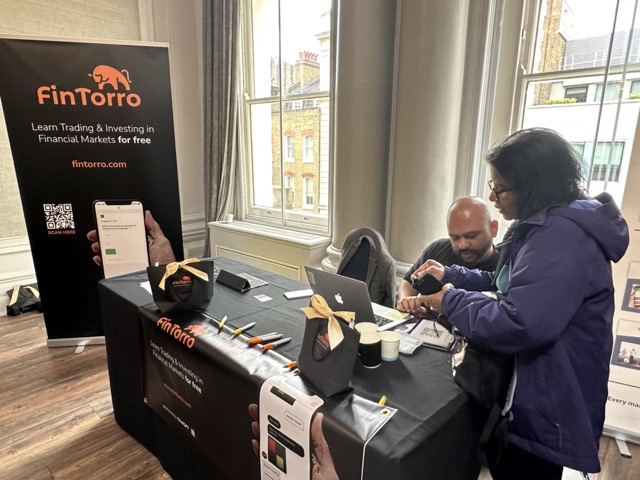
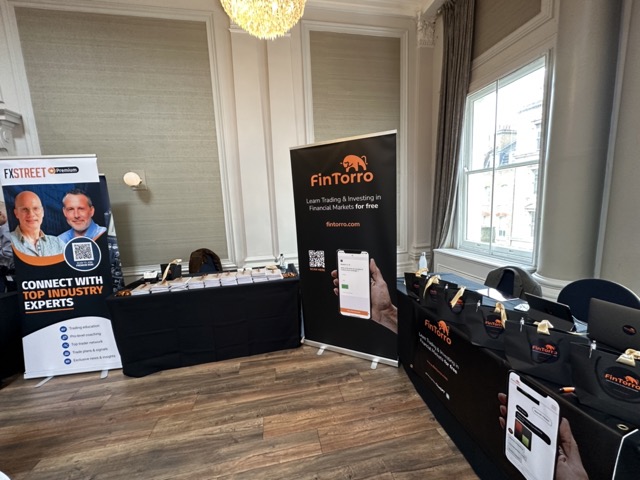
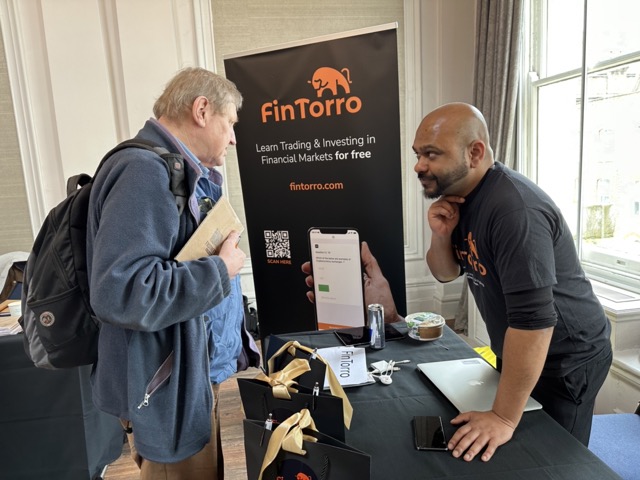
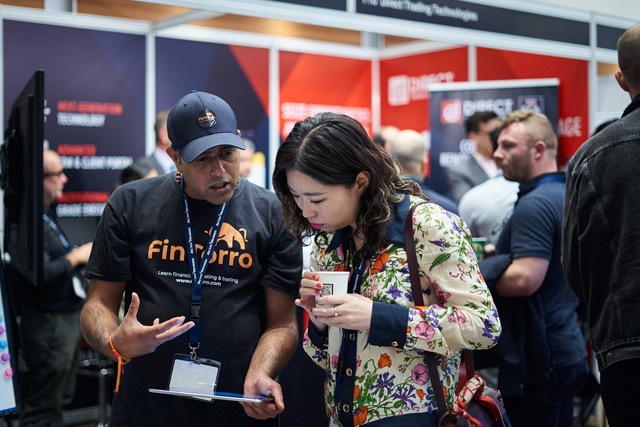
Whether you’re new to the world of trading or you’re a seasoned market-watcher looking to level up, swing by Entrance A and meet the Fintorro team! We’re showcasing our free education app, bite-sized learning content, and community-powered features designed to help you grow as a trader — one lesson at a time.

And yes, we’ll be ready with plenty of good vibes, live demos, and great conversations!

FinTorro at IX Investor Show April 2023 - 3


FinTorro at IX Investor Show - Networking partyHEIC Medium


💬 A Glimpse at the 2025 Agenda

This year’s agenda is . Here are just a few reasons why you don’t want to miss it:

  • Live Market Analysis sessions to kick off your day

  • Deep dives into prop trading, trading psychology, crypto, and AI

  • Live trading floors with Clive Arneil, Ross Maxwell, and Chris Tubby

  • Game-changing seminars like:

    • “How to Build a Winning Strategy” – Ross Maxwell

    • “Rules-Based Trading” – Alex Spiroglou

    • “Price Action Combinations” – Paul Wallace

    • “Trading Crypto in 2025” – Chris Tubby

    • “Mindset of a Winning Trader” – William Davies & Nicholas Penrake


FinTorro at IX Investor Show April 2023 - 14


👥 A Real Community, In Real Time

For Fintorro, being part of this event is more than just setting up a stand — it’s about showing up for our community. We’re here to empower people with practical, no-fluff financial education that leads to real results. And there’s no better place to connect, learn, and grow than at an event like this.

So, if you’re coming — come say hi! Let’s talk trading, investing, strategies, or even just compare chart setups.

FinTorro at IX Investor Show April 2023 - 15 

FinTorro at IX Investor Show April 2023 - 6


FinTorro at IX Investor Show April 2023 - FXStreet Medium

FxStreet


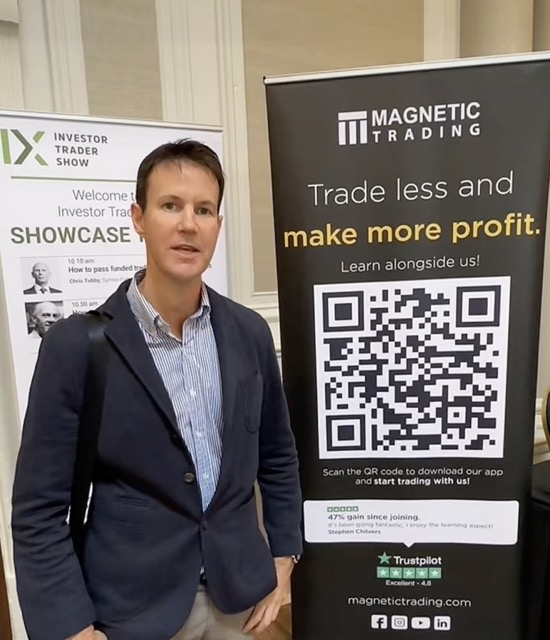
FinTorro at IX Investor Show April 2023 - Exhibitors Magnetic Trading

MagneticTrading

FinTorro at IX Investor Show April 2023 - Exhibitors Sublime Trading

Sublime Trading


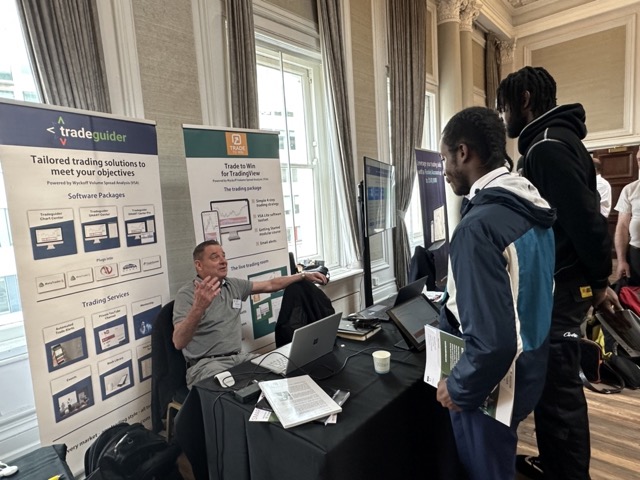
FinTorro at IX Investor Show April 2023 - Exhibitors Trader Guide

TraderGuide


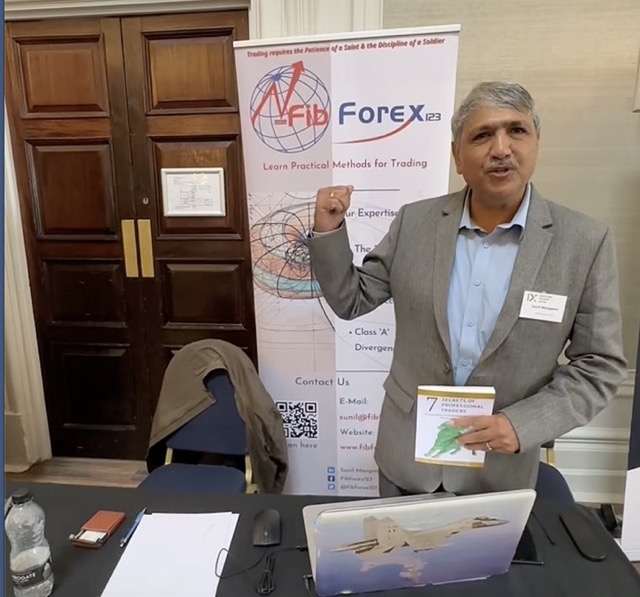
FinTorro at IX Investor Show April 2023 - FibForex Sunil Manghwani


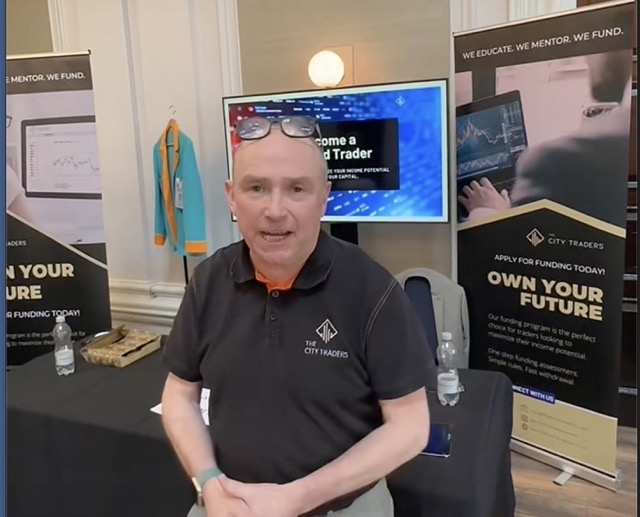
FinTorro at IX Investor Show April 2023 - TheCityTraders

TheCityTraders.com

Fintorro’s Mission and Free Educational Tools

Fintorro remains committed to providing free education for anyone interested in learning about investing and trading in the financial markets. Our app and website offer quick, bite-sized lessons that make it easy to develop your skills at your own pace. Whether you’re new to trading or a seasoned investor, Fintorro provides everything you need to succeed in today’s financial markets.

Make sure to stop by our stand at Entrance A during the event, where our team will be available to chat about our platform and how we’re helping traders level up their knowledge with zero costs.


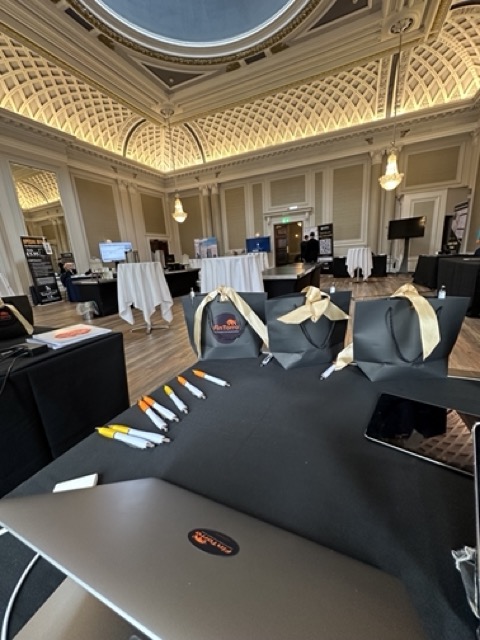
FinTorro at IX Investor Show April 2023 - 7 FinTorro at IX Investor Show April 2023 - 11 FinTorro at IX Investor Show April 2023 - 12


Conclusion:

FinTorro at IX Investor Show April 2023 - 16

The IX Trader Show 2025 promises to be an incredible event for anyone passionate about trading and investing. With a packed agenda featuring expert talks, live trading demos, and unrivaled networking opportunities, you won’t want to miss this year’s event. Fintorro looks forward to connecting with traders, investors, and industry experts to exchange insights and ideas.

🎟️ Haven’t booked your ticket yet?Whether you’re attending for free or opting for the VIP networking experience, this is one trading event you don’t want to miss.👉 Secure your ticket now:

Secure your spot here 👉 Book here

Next Read:  Fintorro hosting Trader’s Working Lunch Table at IX Investor Show

From Strategy to Success: Vikram Jhaveri’s Experience in The Leap TradingView Challenge

From Strategy to Success: Vikram Jhaveri’s Experience in The Leap TradingView Challenge

From Strategy to Success: Vikram Jhaveri’s Experience in The Leap TradingView Challenge


 The-Leap-Challenge-TradingView-FinTorro-Medium.jpeg


The Leap TradingView Challenge, a premier trading competition, offers aspiring traders an opportunity to test their skills in a dynamic, risk-free environment. This challenge is not only a platform to showcase talent but also a learning experience that pushes participants to refine their trading strategies and manage risk effectively. In this interview, we delve into the story of Vikram Jhaveri, one of the participants of the challenge, who shares his insights, strategies, and experience in the competition.

Vikram Jhaveri’s journey is a perfect example of how dedication and strategic thinking can transform a trader’s performance, even in volatile market conditions. If you’re looking for inspiration or practical trading advice, Vikram’s experience is a must-read!

Below is an exclusive interview with FinTorro  ‘The Rise’ team.  

Tell us about your journey in trading. How did you start trading, and what motivated you to join The Leap competition?

I began as a long-only, bottom-up, fundamental investor. However, I quickly realized that with limited access to proprietary capital, I needed to adapt my strategy. I started focusing on momentum trends to churn my capital multiple times and compound my returns. I developed a proprietary quanta-mental strategy for participating in Indian equity markets. This approach was aided by using the TradingView software, which I relied on heavily for analysis. When I received an email from TradingView about The Leap competition, I felt it was the perfect opportunity to reinforce my trading capabilities.

Vikram Jhaveri - TradingView Leap - FinTorro Large

Vikram Jhaveri. – TradingView – The Leap Challenge Top Finisher

How did you prepare for The Leap? Did you have a specific strategy or approach going into the competition?

Preparation involved having a thorough understanding of the competition’s trading rules and parameters. I utilized macro trading analysis, multi-time frame trade analysis, and price action analysis. Having a sound strategy and sticking to it was crucial in ensuring I remained disciplined throughout the competition.

What was your most significant challenge during the competition, and how did you overcome it?

The most significant challenge was maintaining discipline and adhering to the trading parameters. I overcame this by doing detailed research prior to taking any position and applying common-sense thinking in challenging situations.

Can you share a key trade or decision that made a difference in your performance? What was the thinking behind it?

In August 2024, I leveraged macro events such as Japan’s unexpected rate increase, unrest in the Middle East, and fears of a US recession. These events presented both long and short trade opportunities, especially during Japan’s index volatility. My thinking was simple: when the interest rate, which had remained unchanged for 20 years, suddenly increased, I anticipated a negative market reaction, followed by potential government intervention to stabilize the capital market.

What were the most valuable lessons you learned from participating in The Leap? How have these lessons impacted your trading style?

The most valuable lesson was to stick to my strategy and remain calm. It’s easy to let greed and emotions drive unnecessary risky trades. Maintaining discipline allowed me to stay focused and avoid impulsive decisions.

How did you handle emotions and stay focused during the competition? Do you have any tips for managing stress and maintaining discipline while trading?

I treated this competition as an opportunity to learn and test my convictions. Staying calm and patient under pressure was crucial. My tip for managing stress is to avoid making trades solely based on emotional impulses and stick to your planned strategy.

What advice would you give to beginner traders looking to improve their skills? Any specific tools or resources you found helpful?

I’d advise beginners to avoid using leverage, prioritize risk-reward ratios, and focus on longer time frames during the initial stages. Some useful resources include Chat with Traders and Traderwave. Books like Market Wizards and The Disciplined Trader are also excellent reads.

What do you think makes paper trading competitions like The Leap valuable? Would you recommend participating in such contests to others?

Paper trading competitions like The Leap are valuable because they simulate real trading scenarios without the risk of losing actual capital. It’s a great way to refine strategies and understand market behavior. I highly recommend participating in such contests to build confidence and gain experience.

What are your future plans in trading? Are there any new goals or challenges you’re excited to pursue?

I’m currently working on a couple of strategies that show promising results. I look forward to developing these further and testing them in live markets.

Conclusion:

Learning from Challenges and Reinforcing Trading Skills: 

Vikram Jhaveri’s experience in The Leap TradingView Challenge is a testament to the importance of discipline, strategy, and continuous learning in trading. His journey illustrates how leveraging the right tools, such as TradingView, and maintaining a calm mindset can lead to success even in the most volatile market conditions.

If you’re looking to test your skills like Vikram, don’t miss the opportunity to participate in the upcoming IX Trader Show Challenge 2024. Compete, learn, and win exciting rewards!

To learn more about The Leap TradingView Challenge and see the official results, visit TradingView’s blog post here.


Next Read:  From setbacks to success


Trade Nation: Revolutionising Trading – The Platform Designed for Success

Trade Nation: Revolutionising Trading – The Platform Designed for Success

Introduction

Trade Nation has come a very long way in a short space of time. Previously known as Core Spreads, Trade Nation was launched in mid-2020 at the height of the coronavirus epidemic. Since then, it has grown substantially. Trade Nation’s CEO, Stuart Lane, is a market veteran with over 30 years’ experience of retail derivatives. He became increasingly concerned by some of the sharp practices that were becoming embedded in the industry, to the detriment of customers. Stuart made it his aim to see that Trade Nation put their customers first in every respect. This was achieved by offering highly competitive spreads, most of which are fixed-cost, and a first-rate Customer Success team. In a volatile market, trading costs can escalate terrifyingly quickly. It’s not helped when some platforms ramp up costs during busy trading times. But on TN Trader, our proprietary spread betting platform, we offer low fixed-cost spreads on most of our markets – meaning regular traders can really rack up worthwhile savings. We also want our customers to enjoy trading with us. This is why we put so much thought into the design of TN Trader, which is available in both web and mobile versions.


TradeNation - FinTorro Partnership Announcement img1


We’re all different which means we will have our likes and dislikes. So it’s good that there’s choice when it comes to spread betting providers and the platforms they offer. Some traders like a platform that’s ‘busy’ with windows and panels that can be endlessly customised. Others crave simplicity. But there are some things on which most of us can agree. A trading platform must work for everyone. It must be robust and reliable, and it should also be intuitive and straightforward to use. 

TN Trader was designed with all these factors in mind. We wanted to provide our customers with a comprehensive yet unfussy and easy-to-use platform. At the same time, it has all the features that experienced traders need to help them analyse the markets and form trading decisions which they can then execute seamlessly. 

TradeNation - FinTorro Partnership Announcement img6

User-Friendly Interface

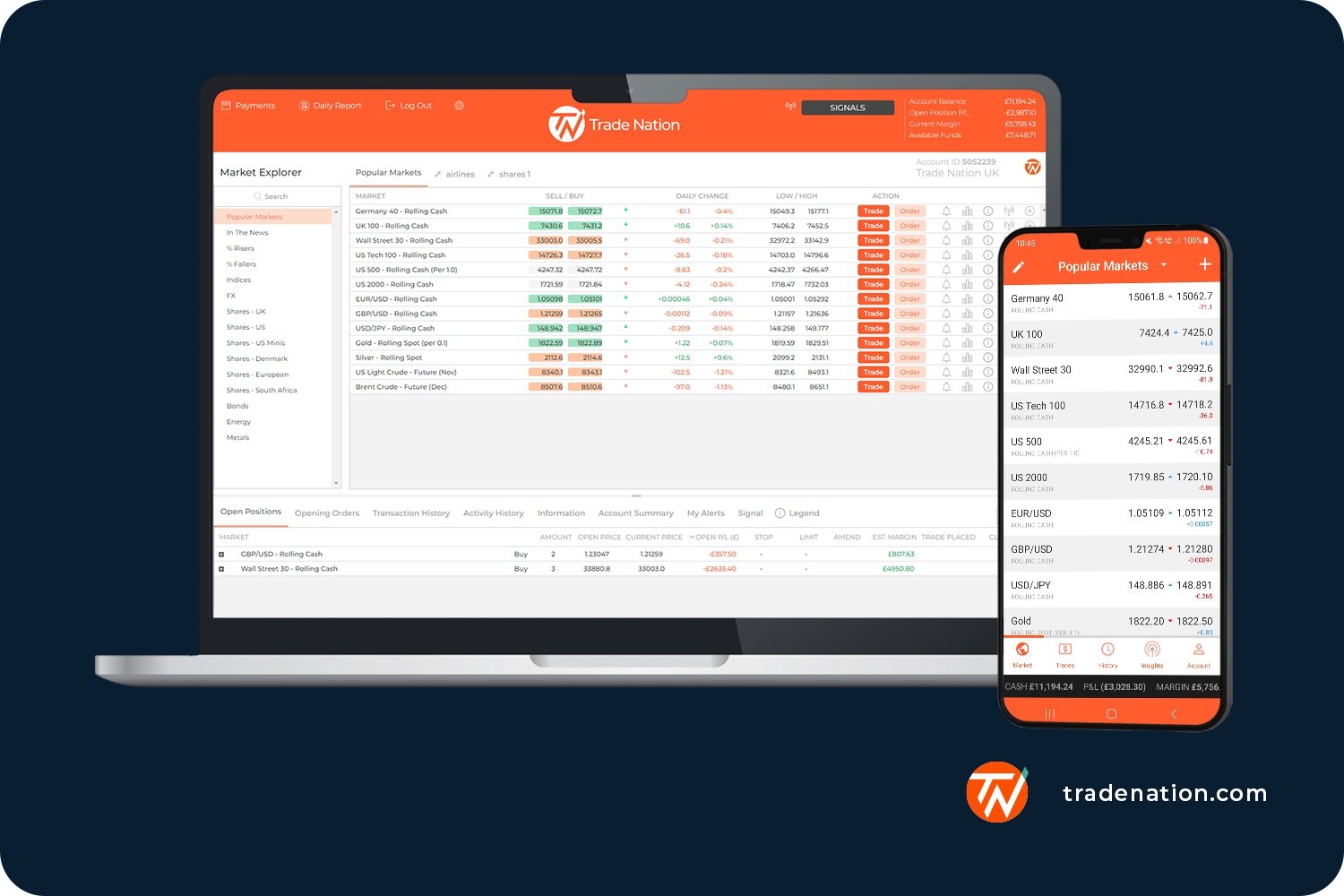
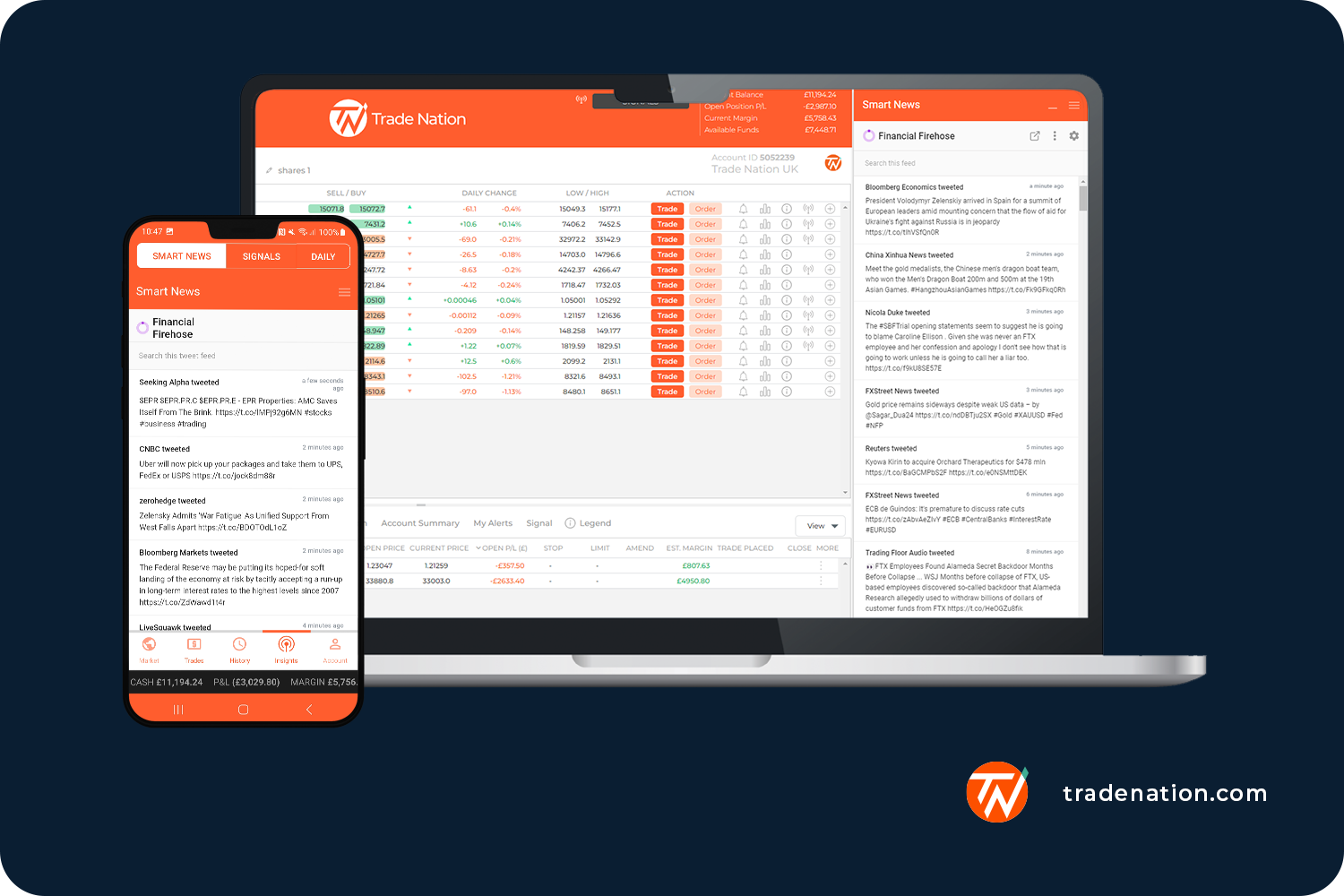
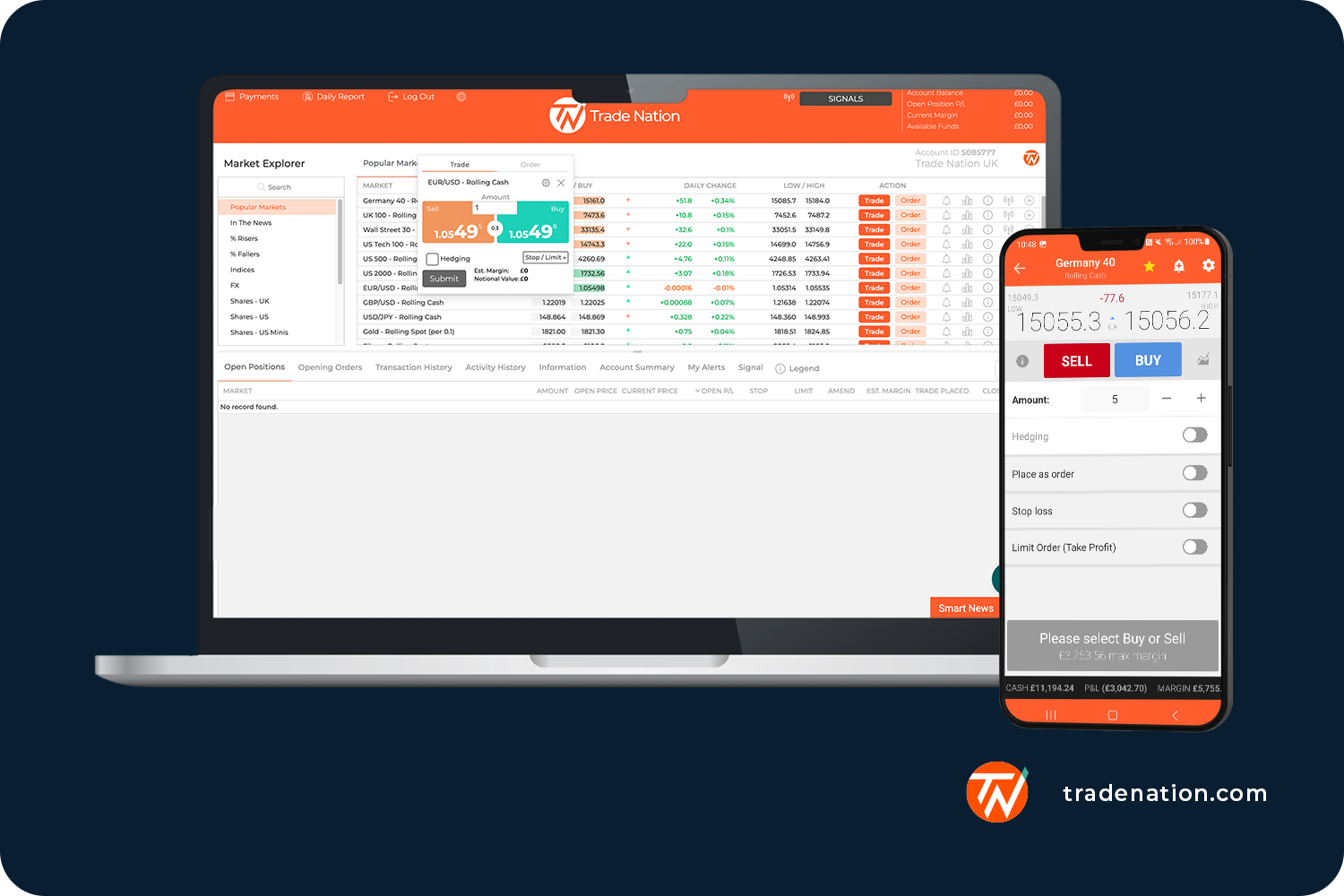
The first thing you’ll notice about TN Trader is that it’s uncluttered and easy to navigate. We made it straightforward to open trade and order tickets, create watchlists, set alerts, launch charts, access contract information and study trade ideas from our FCA-regulated partners at Signal Centre. In addition, all trade and order histories, transactions and profit & loss can be accessed quickly from the same screen. So you won’t find yourself dragged away from the action while you check on details of your account with us. With TN Trader, you’ll find everything in one place. And that’s good news whether you’re new to spread betting or an experienced trader. 


Advanced Trading Tools

We offer a comprehensive package of intuitive and easy to use applications, designed to help you plan a successful trading strategy. You can use them to help you decide when to open a trade, take a profit, or limit your loss if things don’t work out as planned. 

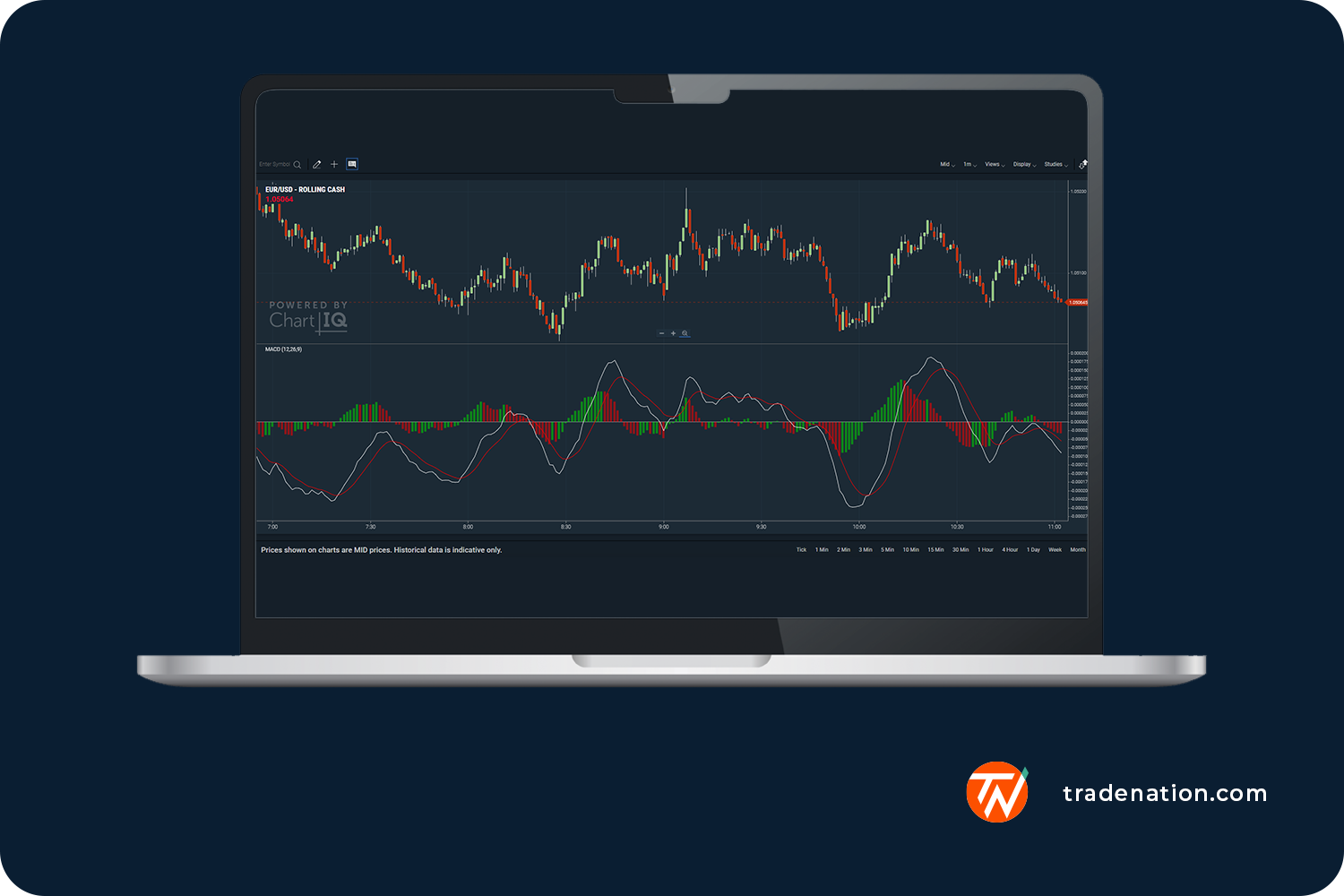
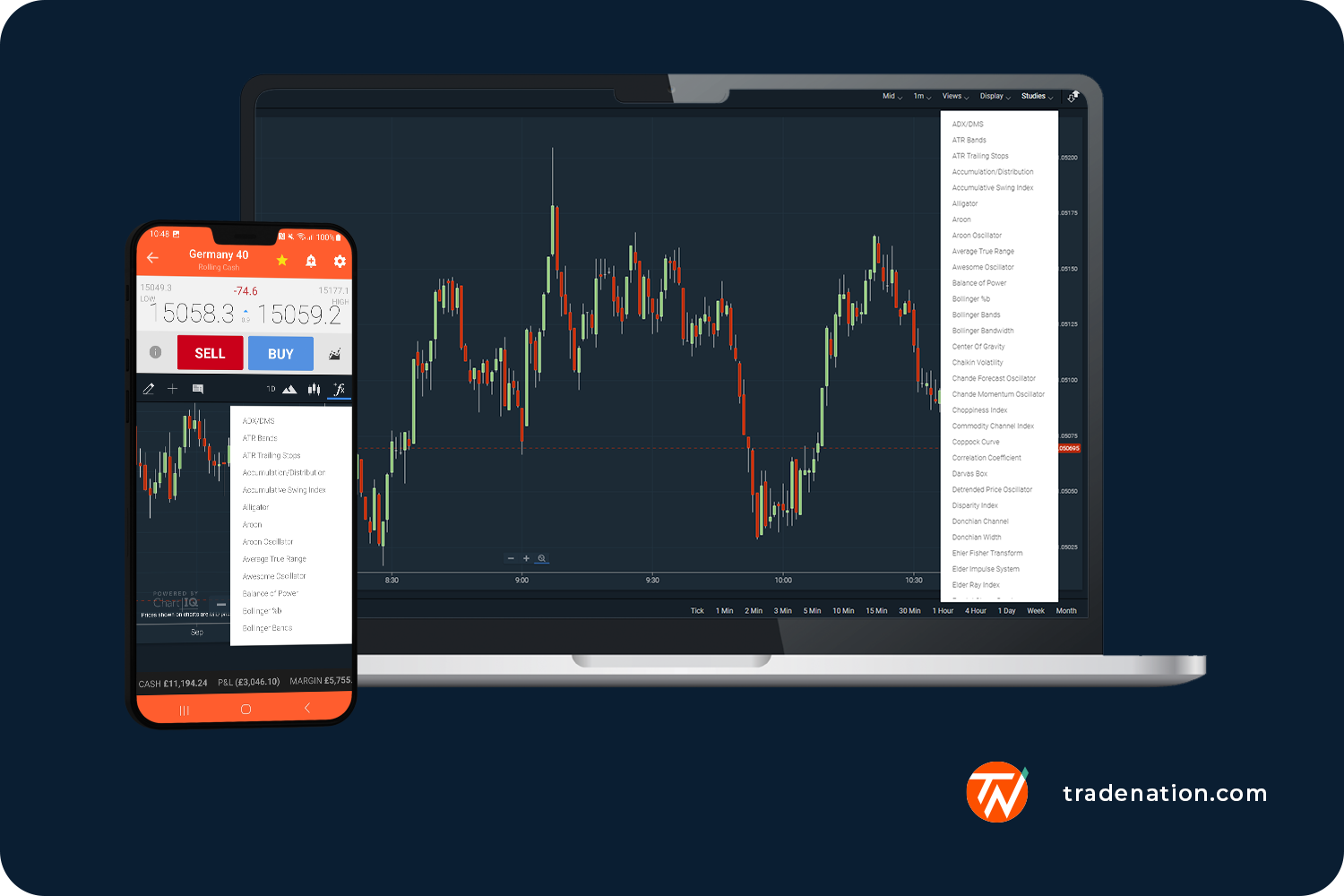
When you open a chart on a particular market, you’ll find all your options clearly labelled. There’s a host of different chart styles and time frames, from a tick to a month. In terms of advanced trading tools, there’s just under 100 technical indicators and a broad suite of drawing tools, ensuring that the charting package caters to traders of all experience levels. And once you’ve done your analysis, you can choose whether to trade or leave orders direct from the charts, or by returning back to the platform. We offer limits, stops, trailing stops and guaranteed stops. 

Real-Time Market Data

We know how important it is to have access to instant and accurate updates on financial news and economic data releases. This is why all live trading accounts have access to Smart News. This is our in-house real-time newsfeed which harvests all the top financial news and economic data across multiple sources on social media. In this way we don’t tie ourselves to a single provider which means that the reports that come in are fast and accurate. This helps give traders the edge they need to react quickly to macroeconomic events. 

TradeNation - FinTorro Partnership Announcement img2

Empowering Traders for Success

TN Trader really is one of the most user-friendly trading platforms around. It is intuitive and straightforward, with a single portal for all your trading and account needs. Finding markets is easy, and from there it just takes a click or two to trade, leave complex orders, access in-depth market information and launch charts, along with a comprehensive suite of technical indicators and drawing tools. Customers can also trade or leave orders directly on charts, meaning you don’t have to switch back to the platform and break away from your analysis to access the markets. This seamlessness improves the whole trading process, helping you to concentrate on what’s important – analysing, planning and initiating your trades. 

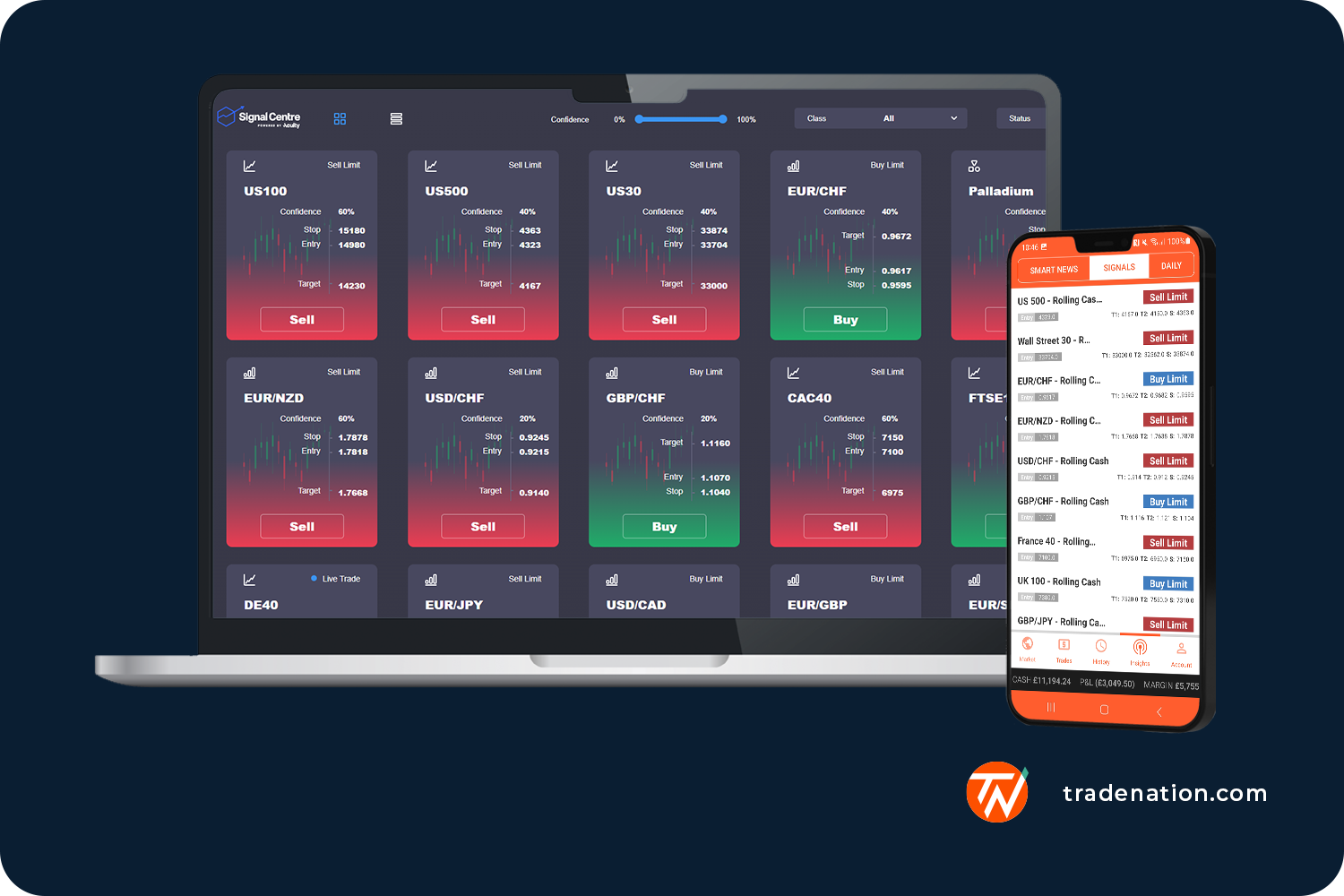
On top of all this you have our Smart News newsfeed, twice-daily updates from our Risk Desk and the fully-integrated Signal Centre which provides around thirty in-depth trade ideas each day, on FX, stock indices and commodities. 

TradeNation - FinTorro Partnership Announcement img5

Conclusion

TN Trader gives traders access to low fixed-cost spreads in the markets you most want to trade. We offer well over 1,500 financial markets including individual equities, global stock indices, FX, interest rate futures and commodities. We offer some of the cheapest and most competitive spreads available, not just on one FX pair, but right across the board. In addition, our spreads on stock indices, FX and commodities are fixed within specific time periods throughout the day, This means you can know in advance what our spread will be at any time of the day. This gives you the certainty that our spreads won’t suddenly double, or worse, just because markets get volatile. We don’t know of any other company that offers our fixed-cost spread promise on such a wide range of financial instruments. And, unlike some platforms, there’s no minimum deposit and we don’t charge when you make a withdrawal.


TradeNation - FinTorro Partnership Announcement img4

So overall, TN Trader is an intuitive and sophisticated spread betting platform. It is uncluttered and easy to navigate, yet it has all the key tools necessary for detailed study and analysis of financial markets. Most features are located on one page, although charts are launched in a separate window so they can be enlarged for greater clarity. Trades and orders can be entered via the trading platform or directly off the charts. In addition, Smart News is our comprehensive newsfeed which harnesses the power of social media to harvest all the top financial news and economic data as it is announced. We also provide two reports each day straight from our Risk Desk to highlight the most important factors influencing financial markets. The TN Trader platform also gives you access to Signal Centre with its daily trade recommendations from its independent, professional and FCA-regulated technical analysts. These recommendations can be accessed directly from the platform which means you can leave orders to follow any recommendation in a couple of clicks. 


TradeNation - FinTorro Partnership Announcement img7

We get it. You might want to try before you buy. So why not take our proprietary platform for a spin and see what we’re all about. You can experience first-hand our intuitive handling and navigation, make a dummy trade or two and see how easy it is to use our analysis and drawing tools.  We know you’ll love it. Only the real thing is better.


TradeNation - FinTorro Partnership Announcement img3

In conclusion, we are committed to providing our customers with the best tools available to help them trade successfully, and we believe that TN Trader does this perfectly. So why not give it a go?

To find out more about what we offer and the TN Trader platform, please visit our website tradenation.com

Or if you’d prefer the personal touch, why not call our Customer Success team on +44 (0) 203 180 5952 or email them: support.uk@tradenation.com


Next Read: FinTorro team experience at the London Trader Show 2023


Staying emotionally intelligent allowed me to maintain profitability in my trades : Ravneel Pratap’s Inspiring Journey in The Leap TradingView Challenge

Staying emotionally intelligent allowed me to maintain profitability in my trades : Ravneel Pratap’s Inspiring Journey in The Leap TradingView Challenge

Staying emotionally intelligent allowed me to maintain profitability in my trades : Ravneel Pratap’s Inspiring Journey in The Leap TradingView Challenge

Ravneel Pratap The Leap TradingView challenge Winner FinTorro

Introduction

In the dynamic world of trading, it takes more than just knowledge to stand out—it takes perseverance, strategy, and a unique approach to overcome challenges.

Ravneel Pratap, a seasoned trader, and a participant in the renowned TradingView The Leap Challenge, embodies these qualities. Ravneel’s journey, from learning the ropes of trading 12 years ago to participating in this thrilling competition, is nothing short of inspiring.

Today, we explore his story, insights, and advice for aspiring traders.

Interview with Ravneel Pratap

Q: Tell us about your trading journey. How did you start, and what motivated you to join The Leap competition?

A: My journey began 12 years ago, under the mentorship of a NASCAR engineer who attributed his success to trading on the New York Stock Exchange. It’s been a relentless pursuit of knowledge and practice since then, and now I’m starting to see the results of that hard work. I joined The Leap competition because I wanted to challenge myself and showcase the skills I’ve honed over the years.

Q: How did you prepare for The Leap? Did you have a specific strategy?

A: Ironically, my preparation involved not being fully prepared! Life threw unexpected challenges at me, pushing me to rapidly develop my proprietary financial technology. It felt like revealing a secret project at an Apple event. Ultimately, the key was in timing—buy low and sell high.

Q: What was the most significant challenge during the competition, and how did you overcome it?

A: The toughest part was controlling my emotions. My competitor was an ER doctor, while I’m a racecar driver—both require focus under pressure. Staying emotionally intelligent allowed me to maintain profitability in my trades.

Q: Can you share a key trade that impacted your performance?

A: One of my best trades was purely about timing. I bought at an extreme low and sold at an all-time high. Now, I’m refining my ability to predict those high points more accurately.

Q: What valuable lessons did you learn from participating in The Leap, and how has it influenced your trading style?

A: The biggest lesson was to always have a plan and stick to it, no matter what. This discipline has been crucial in shaping my trading style.

Q: How did you manage emotions and stay focused during the competition? Any tips for managing stress and maintaining discipline while trading?

A: Managing emotions is like triage—you focus on what’s most important first. To handle stress, I stay physically active. Discipline comes easily when you’re selfish with your time and focus on your goals.

Q: What advice would you give to beginners looking to improve their trading skills?

A: Join TradingView and engage with the community. It’s a fantastic resource for anyone looking to achieve their financial goals.

Q: What makes paper trading competitions like The Leap valuable? Would you recommend them to others?

A: Absolutely! Competitions like The Leap are like report cards for potential employers, clients, and investors. Plus, they are free and offer real cash prizes—definitely worth participating in.

Q: What are your future plans in trading? Any goals or challenges you’re excited about?

A: I’m excited about working on Donald Trump Jr.’s WorldLibertyFi project. It’s a new challenge that I’m looking forward to.


Conclusion

Ravneel Pratap’s journey in The Leap TradingView Challenge is a testament to the power of resilience, adaptability, and continuous learning in trading. Whether you’re just starting out or looking to sharpen your skills, his insights and experiences provide valuable lessons for any trader.

Competitions like The Leap offer a unique opportunity to test your skills in a competitive environment, and we highly encourage you to join the IX Trader Show 2024 Challenge on Fintorro for your chance to showcase your abilities and learn from the best in the industry.

Connect with Ravneel Pratap:

Next Story: From Setbacks to Success: A Trader’s Story in The Leap TradingView Challenge

Next Story:  IX Trader Show 2024 Challenge

Learn from the Pros: Join FinTorro at the London Investor Show 2024

Learn from the Pros: Join FinTorro at the London Investor Show 2024

Learn from the Pros: Join FinTorro at the London Investor Show 2024

231021 london investor show 2023 373 Medium FinTorro

Introduction

Fintorro is thrilled to announce our participation in the upcoming London Investor Show 2024 on November 1st, 2024, at the prestigious Novotel London West. This event, dedicated to private investors, promises to be an excellent opportunity to learn, connect, and grow in the world of investing and trading.

As an exhibitor, Fintorro is excited to engage with attendees, share insights, and participate in this prestigious event. With expert talks, networking opportunities, and hands-on workshops, the London Investor Show 2024 is set to provide invaluable learning experiences for all participants.


231021 london investor show 2023 263 Medium FinTorro


Fintorro’s Exhibition Stand


231021 london investor show 2023 148 Medium FinTorro

At the London Investor Show 2024, Fintorro will have an interactive exhibition stand where our team will demonstrate how our platform helps users learn about investing and trading through bite-sized lessons and engaging content. We’ll be showcasing our free educational resources on stocks, forex, crypto, and more, making learning accessible to everyone, regardless of their financial background.

We invite all attendees to visit our stand to explore our platform and discover how FinTorro can make learning about financial markets both fun and effective. Our expert team will be available to answer questions and provide insights into the world of investing.


Expert Talks and Panels

231021 london investor show 2023 181 Medium FinTorro

The London Investor Show 2024 boasts an incredible lineup of speakers, including industry leaders like:

  • Richard Berry from Good Money Guide
  • Glen Goodman, the full-time investor, sharing his lessons from a decade of crypto trading
  • Gareth Parker from Morningstar Indexes, discussing the importance of indexing for private investors
  • Tim Henderson, offering insights on preserving wealth for future generations

These talks and panels provide invaluable knowledge for investors of all levels. Attendees can gain new strategies to enhance their investment returns and hear from industry experts about the latest trends and opportunities in the financial markets.


Live Demos and Exhibitors

231021 london investor show 2023 427 Medium FinTorro

Fintorro will be in good company at the London Investor Show 2024, alongside other exhibitors showcasing innovative tools and platforms for investors and traders. Our team will be engaging with attendees and offering hands-on demonstrations of our platform.

Professional traders will also be showcasing live trading strategies and investment techniques, giving you real-time insights into how the pros approach the markets.


Networking Opportunities


231021 london investor show 2023 148 Medium FinTorro

The London Investor Show 2024 offers unparalleled networking opportunities, and Fintorro looks forward to connecting with traders, investors, and financial professionals from around the world. Whether you’re looking to expand your knowledge, make new contacts, or discuss potential collaborations, this event provides the perfect platform for meaningful interactions.

Don’t miss out on the Investors’ Networking Lunch or the chance to chat with our team during the exhibition!


Insights and Learning Opportunities

Attending the London Investor Show 2024 will offer fresh insights into trading strategies, market trends, and investment psychology. With so many expert-led workshops and panel discussions, this event is designed to help investors optimize their portfolios, learn new skills, and gain confidence in the financial markets.


Conclusion

The London Investor Show 2024 is shaping up to be one of the most exciting events of the year for investors and traders. From expert talks to interactive demos, this is a must-attend event for anyone serious about enhancing their investment knowledge and building a successful financial future.

Visit the Fintorro team at our exhibition stand, participate in the IX Trader Show Challenge, and take advantage of all the incredible learning opportunities at the show. We look forward to meeting you there!

Secure your spot today and join us on November 1st, 2024!


Next Read : London Trader Show Highlights