


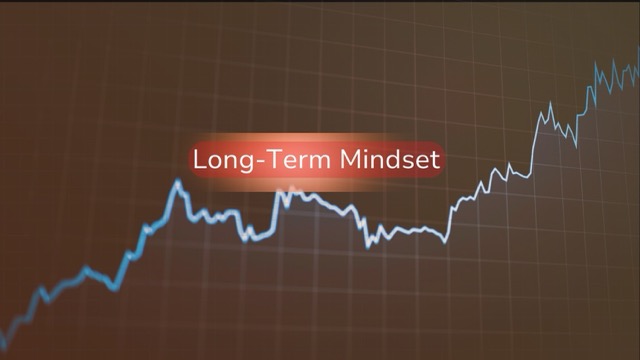
When I first dipped my toes into investing, my head was filled with excitement, curiosity, and a bit of anxiety. I wanted to see my investments grow fast — and I wanted it to happen yesterday. If you’re new to investing, you may relate to this feeling of wanting to see immediate returns, but let me tell you — that mindset can be a recipe for stress and disappointment.
It wasn’t until I shifted my mindset to focus on long-term investing that everything clicked. Suddenly, I stopped sweating every market dip, stopped checking my portfolio obsessively, and started seeing true growth in my investments.
In this article, I’ll share how adopting a long-term investing strategy changed everything for my portfolio and how it can help you, too, if you’re just starting out.
The Early Days: Chasing Quick Wins
When I first started investing, I couldn’t wait to see my money grow. I didn’t fully understand the risks involved and, honestly, I was more excited about the potential for quick wins than the idea of playing the long game. Like many beginners, I jumped into the market with the hope that I could time the market and make big, fast gains. I watched a few YouTube videos, read some articles, and thought I had it all figured out.
But as you might have guessed, that didn’t go as planned.
I started off with individual stocks, hoping that I’d find the next big winner. The first few weeks were exciting. I watched my stocks rise and felt pretty good about my choices. But soon, reality hit: the market dipped. The stocks I bought fell in value, and I started questioning everything.
I spent hours researching, checking my portfolio, and panicking. Was this a temporary dip? Was I making a huge mistake? Should I sell everything and cut my losses?
The Wake-Up Call: The Power of Long-Term Thinking
Eventually, after weeks of emotional rollercoasters, I realized I couldn’t keep living in fear of every market dip. I needed a new approach. That’s when I stumbled upon the idea of long-term investing.
A friend of mine, who had been investing for years, shared his strategy with me. He told me that he wasn’t in it for the short-term gains. Instead, he focused on buying solid investments and holding onto them for the long run. His advice? Don’t panic when the market goes down. The key is to stay patient, stay consistent, and focus on the big picture.
That was the turning point for me. I started to research long-term investing strategies and soon realized that many successful investors, like Warren Buffett, attribute their success to the simple act of investing with a long-term mindset. The longer you hold, the more time your investments have to grow and weather any storms.
How Long-Term Investing Changed My Approach
1. I Stopped Chasing Trends
One of the biggest mistakes I made early on was chasing trends. I’d hear about a hot stock or a cryptocurrency that was going through the roof, and I’d want to jump on the bandwagon. I was constantly looking for short-term wins and trying to make quick profits. But the problem with this is that the market is unpredictable. You never really know if that “hot” stock will continue to rise, and if you buy in at the wrong time, you could be left holding the bag.
Once I adopted a long-term mindset, I stopped chasing trends and focused on companies and investments that had strong fundamentals. I started investing in index funds, which track the performance of the broader market. This took the pressure off of me to pick individual stocks, and instead, I could focus on letting my investments grow steadily over time.
2. I Started Embracing Market Volatility
Before I understood the importance of long-term investing, any dip in the market would send me into a panic. I would sell my stocks, trying to cut my losses, only to watch them rebound days later. It was a frustrating cycle.
But as I shifted my mindset, I started seeing market volatility differently. Rather than worrying about short-term dips, I embraced them. I realized that market corrections (when the market drops by 10% or more) are normal and even healthy for the economy. They give you the opportunity to buy at lower prices and let your investments recover over time.
As I started buying consistently, even during market dips, I felt much more confident. I knew that, over the long term, the market would recover and continue to grow. In fact, historically, the stock market has tended to rise in value over long periods, despite periodic downturns.
The Benefits of Long-Term Investing: A Game Changer
1. Compounding Works in Your Favor
One of the biggest reasons I switched to a long-term strategy was the magic of compound interest. The longer you leave your money invested, the more your returns can grow on themselves. In fact, compound interest is often called the “eighth wonder of the world” for a reason.
Here’s a simple example:
- Let’s say you invest $1,000 in an index fund that averages 7% annual returns.
- After 10 years, your investment grows to $1,967.15.
- But here’s the kicker — your interest grows on the original $1,000 AND the interest earned each year.
- By sticking with it long term, that $1,000 could grow into something much larger without you having to make any additional investments.
2. Less Stress, More Consistency
Once I adopted a long-term mindset, I stopped obsessing over short-term market movements. I wasn’t glued to my phone checking my portfolio every minute. Instead, I made my investments, set up automated contributions, and trusted the process.
This helped reduce my stress. Investing became less about trying to time the market and more about consistently growing my wealth over time. The less I worried, the more peace I felt.
3. Tax Benefits from Holding Investments Long-Term
Another benefit of long-term investing is the tax advantage. If you hold an investment for over a year, the returns are taxed at the long-term capital gains rate, which is usually much lower than the rate for short-term investments. This is a great incentive to stay in the market for the long haul.
How You Can Start Building a Long-Term Portfolio
If you’re a beginner, adopting a long-term investing strategy doesn’t have to be complicated. Here’s how you can get started:
1. Start with Index Funds or ETFs
One of the easiest ways to start building a long-term portfolio is by investing in index funds or ETFs (Exchange-Traded Funds). These funds track the performance of the market or specific sectors, which means you don’t have to pick individual stocks. Instead, you get broad exposure to different companies, helping to spread your risk.
2. Invest Consistently
Even if you’re starting small, the key to long-term success is consistency. You don’t have to invest a huge amount at once. Start with what you can afford and increase your contributions over time. Automating your investments through a robo-advisor or a 401(k) can make this process even easier.
3. Ignore the Noise
Market dips, news headlines, and predictions can be distracting, but remember that long-term investing is about staying the course. Don’t panic during short-term downturns. Stick to your strategy, and let your investments do the heavy lifting.
Final Thoughts: The Power of Patience
- Shifting to a long-term investing strategy has been one of the best decisions I’ve made for my portfolio. Once I stopped chasing quick wins and embraced a more patient approach, I saw my investments grow in ways I never expected. I’ve learned that investing is not about trying to time the market, but about consistently putting your money in solid investments and letting it grow over time.
- For any beginner investor, long-term investing is the way to go. It allows you to take advantage of compound interest, reduce stress, and ultimately build a portfolio that grows over the years. It may not happen overnight, but with time, patience, and consistency, the rewards can be huge.
- So, if you’re just starting out, remember this: Invest for the long term, stay consistent, and let your money work for you. Trust me — the results will speak for themselves.
Next Article To Read: How I Invest $100 Every Month (Even on a Tight Budget)