


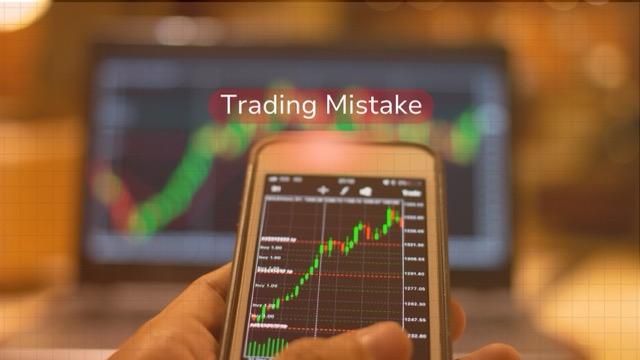
Investing can be a roller coaster ride, especially when you’re just starting out. The highs are exciting, but the lows can sting — especially when they come from avoidable mistakes. As a beginner, I made my fair share of blunders, but there’s one that stands out above the rest. This mistake ended up costing me $300, and it was a painful lesson I’ll never forget.
In this article, I’ll walk you through the mistake I made and share common beginner investor mistakes that you should avoid. If you can learn from my experience, hopefully you’ll avoid making the same costly errors in your own investment journey.
The $300 Mistake — Here’s What Happened
It was a few months into my investing journey when I made the mistake. I had been carefully watching a stock that seemed to be on the verge of a breakout. The company had solid fundamentals, a good product, and a growing customer base. I was confident that it was a great time to jump in.
I had set a modest budget for this trade, and my plan was simple: buy the stock, hold it for a few weeks, and ride the momentum. But there was one small problem — I didn’t set a stop loss. I thought I could monitor the stock closely and react quickly if things went wrong.
Unfortunately, that didn’t go as planned.
The stock started to dip, and instead of cutting my losses early, I thought, “It’s just a temporary setback. It will bounce back.” But the dip turned into a freefall, and before I knew it, my $300 investment was reduced to almost nothing. I watched helplessly as the stock kept dropping, and by the time I decided to sell, I had lost $300.
That was the moment I realized that investing without proper risk management can be catastrophic — especially for beginners.
Common Beginner Investor Mistakes (And How to Avoid Them)
The mistake I made was just one of many that beginner investors tend to make. Whether you’re a brand-new investor or someone with a few trades under your belt, it’s easy to make these common missteps. But knowing what to watch out for can help you avoid the same pitfalls.
1. Not Setting a Stop Loss
As I mentioned earlier, not setting a stop loss was my biggest mistake. A stop loss is an automatic order that you set when you place a trade to sell your position if the price falls to a certain level. It helps protect you from large losses, and it’s an essential part of risk management.
If I had set a stop loss, I would have been able to limit my loss to a manageable level and protect my investment. Instead, I let the stock continue to drop, hoping it would turn around. This type of thinking can be dangerous because it’s based on emotions rather than strategy.
Tip: Always set a stop loss — even if you’re feeling confident about the trade. It’s better to lock in small losses than to let them snowball into something much bigger.
2. Chasing “Hot” Stocks Without Research
Another mistake I made early on (and one that a lot of new investors make) is chasing stocks that are being talked about all over the media or on social platforms. When a stock is the “next big thing,” it can be tempting to jump on the bandwagon without doing proper research. But that’s exactly what leads to poor decision-making.
I got swept up in the hype about a trending stock once, based purely on news articles and social media buzz. The stock was flying high one day, and I bought in without doing my due diligence. Of course, it wasn’t long before the stock crashed, and I ended up with a loss. The sad truth? I had no idea about the company’s actual fundamentals.
Tip: Don’t buy stocks based solely on hype or social media buzz. Do your own research. Look at a company’s financials, leadership, growth prospects, and market conditions before making a decision. Never invest based on fear of missing out (FOMO).
3. Not Diversifying Enough
When I first started investing, I was so confident in a few stocks that I put all my money into them. I figured, “If these stocks do well, I’ll make a killing.” The problem? I was heavily concentrated in just one sector. When that sector hit a rough patch, my portfolio took a massive hit as well.
Diversification is essential in investing. Spreading your investments across different sectors, asset classes, and geographic areas can help you protect your portfolio from significant downturns.
Tip: Diversify your investments to reduce risk. You don’t want to put all your eggs in one basket, so consider spreading your investments across stocks, bonds, ETFs, and other asset classes. Even a few different sectors can make a big difference in your risk profile.
4. Ignoring Fees and Costs
When I started out, I didn’t think much about the fees and commissions that come with trading. I assumed that my broker would just take a small fee, but as I made more trades, I realized how quickly those costs add up. Whether it’s a flat commission per trade, a fee for buying or selling a stock, or hidden spreads, all these costs can significantly eat into your profits — or increase your losses.
When you’re working with a small account, fees can be a huge burden. The more trades you make, the more you pay in fees, and that can make a big difference, especially for beginner investors trying to grow a small portfolio.
Tip: Be mindful of the costs associated with your trades. Look for brokers with low fees or commission-free trading options. And before making a trade, factor in how much you’re paying in commissions and fees to ensure they won’t eat into your returns.
5. Getting Emotional About Trades
One of the most difficult lessons I had to learn was how to manage my emotions during trades. It’s easy to get caught up in the excitement when a trade is going well, but it’s just as easy to let emotions cloud your judgment when things start to go south. For example, after losing money on a trade, I used to make impulsive decisions, trying to recoup my losses quickly.
This is a classic case of “revenge trading”, and it’s a dangerous habit. Emotional decisions, like buying when you’re excited or selling when you’re scared, can often lead to poor outcomes.
Tip: Stay calm and stick to your strategy. No matter what happens, don’t let your emotions drive your trades. Develop a plan, set your stop loss, and trust your research. If you follow your strategy, you’ll make more rational decisions.
Final Thoughts: Learn from Mistakes, Don’t Dwell on Them
Losing $300 was a hard lesson, but it taught me valuable lessons about trading and investing that have stayed with me. If you’re a beginner investor, the most important thing is to avoid making the same mistakes I did. Learn from them, but don’t dwell on them — mistakes are part of the learning process.
To recap, here are the most common beginner investor mistakes and how to avoid them:
- Not setting a stop loss: Always protect your downside with a stop loss.
- Chasing hot stocks without research: Do your homework before making any investment decisions.
- Not diversifying enough: Spread your investments across different assets and sectors.
- Ignoring fees: Choose low-fee brokers and be mindful of transaction costs.
- Getting emotional: Stick to your strategy and stay calm under pressure.
- If you can avoid these pitfalls, you’ll be in a much better position to succeed in the long run. Remember, investing isn’t about perfection — it’s about learning, adapting, and improving over time. Don’t be afraid to make mistakes, but make sure you learn from them and keep moving forward.
Next Article To Read: The Best Morning Routine for New Traders (Backed by Data)