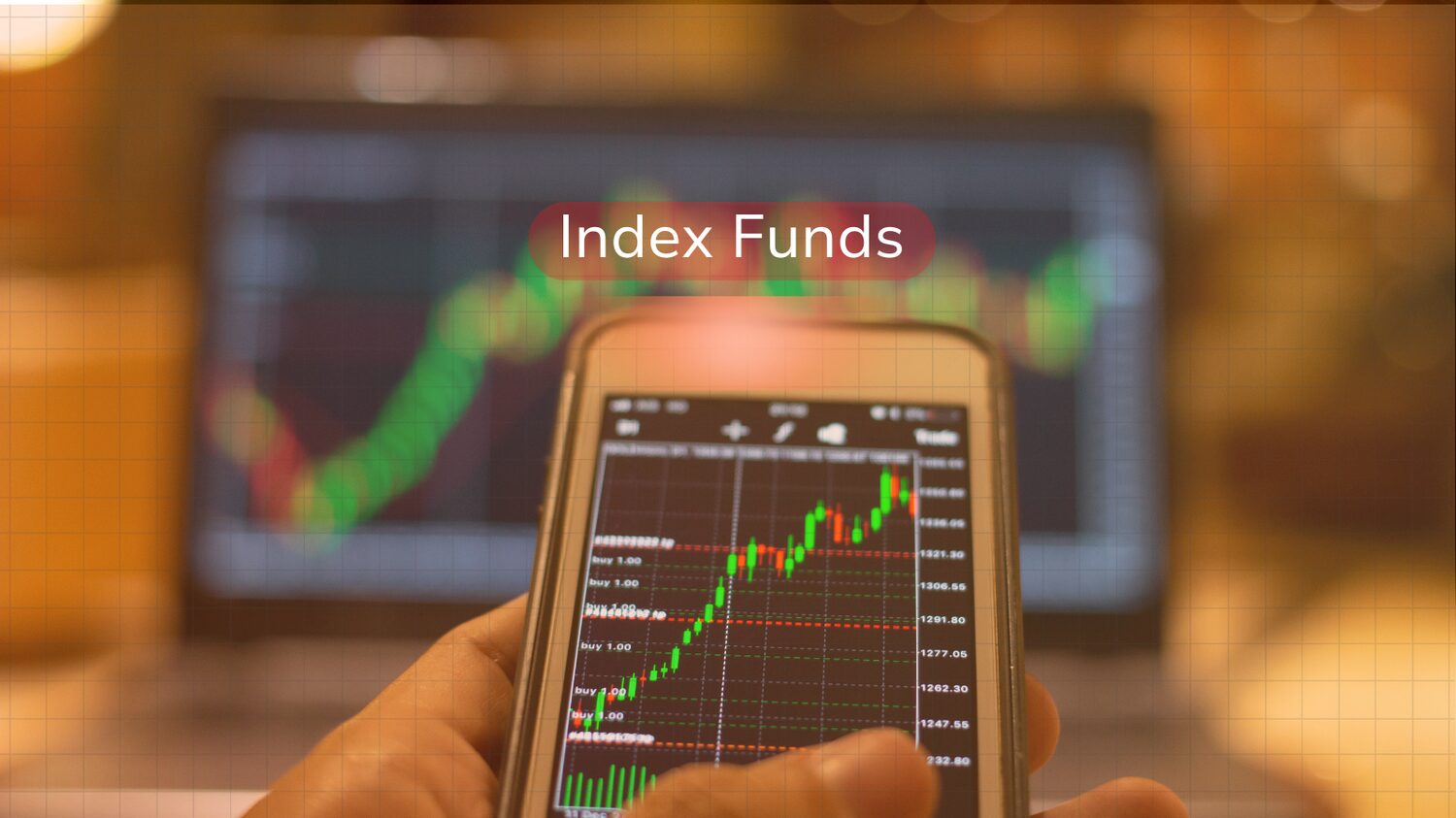
When I first started my investment journey, I had no idea where to begin. I thought about picking individual stocks, but quickly realized how much time and energy it would take to research companies and manage my portfolio. That’s when I stumbled upon index funds — and let me tell you, I wish I had discovered them sooner. They’ve been one of the best decisions I’ve made as a beginner investor.
If you’re like I was — new to investing and looking for a simple, low-cost way to grow your money — index funds are a game-changer. They allow you to invest in a broad market segment or a whole market index, diversifying your portfolio with just one investment. In this article, I’m going to share the three best index funds I wish I knew about sooner and why they’re great choices for beginner investors.
What Are Index Funds and Why Are They Great for Beginners?
Before diving into the best index funds, let’s quickly cover what they are and why they’re so popular among beginner investors.
Index funds are a type of mutual fund or exchange-traded fund (ETF) that aim to replicate the performance of a specific market index. Instead of picking individual stocks, you’re buying a collection of stocks that mirror an index like the S&P 500 or the NASDAQ-100.
Here’s why I believe index funds are perfect for beginners:
- Diversification:With one investment, you’re buying into dozens or even hundreds of stocks. This lowers your risk since you’re not relying on one single stock’s performance.
- Low Fees: Most index funds have lower fees than actively managed funds. I was looking for a way to keep my investment costs low, and index funds were the perfect solution.
- Consistency:Index funds tend to track market growth, so over time, they generally show a steady upward trend, which is exactly what I needed when starting my long-term investment journey.
Now, let’s look at the three best index funds for beginner investors that I personally use and highly recommend.
1. Vanguard S&P 500 ETF (VOO)
Why I Love It:
The Vanguard S&P 500 ETF (VOO) is one of the most popular and well-known index funds for a reason: it tracks the S&P 500, which is made up of 500 of the largest companies in the U.S. This means you’re investing in a broad range of industries, from technology and healthcare to finance and consumer goods.
I remember when I first started, I wanted a simple, diversified investment that gave me exposure to the U.S. stock market without having to pick individual stocks. VOO was the perfect solution. By investing in VOO, I’m essentially investing in the top companies in the U.S., which is reassuring as a beginner.
Key Features:
- Low Expense Ratio:VOO has a very low expense ratio (0.03%), which means I’m not paying much in fees, allowing me to keep more of my returns.
- Strong Historical Performance:Over the long term, the S&P 500 has shown steady growth, making it one of the safest bets for long-term investors.
- Dividends:VOO pays quarterly dividends, which are automatically reinvested. This helped my portfolio grow even faster without me needing to lift a finger.
What I Don’t Like:
No International Exposure:
Market Risk: Like all stock-based investments, VOO can experience volatility, so it’s important to be prepared for market fluctuations.
2. Fidelity Total Market Index Fund (FSKAX)
Why I Love It:
If you want to broaden your portfolio even further, Fidelity’s Total Market Index Fund (FSKAX) is an excellent choice. This fund tracks the entire U.S. stock market, including small, mid, and large-cap stocks. Unlike VOO, which focuses solely on the largest companies, FSKAX gives you exposure to a wide range of stocks, from startups to established giants.
When I first started investing, I wanted something that captured the entire market, and FSKAX was my answer. It provides the perfect balance of risk and reward by diversifying across different sectors and company sizes.
Key Features:
- Low Expense Ratio: At 0.02%, FSKAX is one of the cheapest index funds around. I love that it allows me to invest with minimal fees.
- Diverse Exposure: FSKAX provides exposure to over 3,500 U.S. stocks, which is ideal for long-term growth without being too reliant on any one sector or stock.
- Great for Dollar-Cost Averaging: As a beginner, I wanted a way to invest regularly without worrying about market timing. FSKAX was perfect for this, and the consistent growth made me feel confident in my decision.
What I Don’t Like:
- Risk of Small-Cap Volatility: Since this fund includes smaller companies, there can be more volatility compared to funds that only invest in large-cap stocks.
- No International Stocks: Like VOO, FSKAX is U.S.-focused, so I’m missing out on international diversification.
3. Schwab U.S. Dividend Equity ETF (SCHD)
Why I Love It:
If you’re looking for an index fund that focuses on dividends, Schwab U.S. Dividend Equity ETF (SCHD) is a fantastic option. This fund invests in high-quality U.S. companies that consistently pay dividends. As someone who’s looking for income-generating investments alongside growth, SCHD was a great addition to my portfolio.
SCHD has been perfect for me as I slowly started building a passive income stream from my investments. The dividends were reinvested automatically, allowing my portfolio to grow even faster without any extra effort on my part.
Key Features:
- Focus on Dividends: SCHD targets companies with a high dividend yield, making it an ideal choice for income-seeking investors.
- Low Expense Ratio: With an expense ratio of 0.06%, it’s very affordable, especially considering the focus on dividend-paying stocks.
- Consistent Dividend Payments: SCHD pays quarterly dividends, and because I reinvest them, I’ve seen a significant boost to my overall returns.
What I Don’t Like:
- Limited Growth Potential: Since this fund focuses on dividend-paying stocks, it may not have the same growth potential as broader market funds like VOO or FSKAX.
- Sector Concentration: SCHD has a higher concentration in specific sectors, like industrials and consumer goods, which means it might not be as diversified as some other funds.
Final Thoughts: How to Choose the Right Index Fund
- As a beginner investor, I’ve learned that simplicity and diversification are key to building a solid investment foundation. Index funds provide both of these, which is why they’re such an excellent choice for anyone just starting out.
- When choosing the best index funds for beginner investors, it really depends on your goals. If you want broad market exposure with low fees, Vanguard S&P 500 ETF (VOO) is a great place to start. If you’re looking for more diversity across the entire U.S. market, consider Fidelity Total Market Index Fund (FSKAX). And for those interested in earning dividends, Schwab U.S. Dividend Equity ETF (SCHD) is a solid pick.
- Remember, the most important thing is to start investing. Even if you’re only investing a small amount, time in the market is one of the best ways to build wealth. With these index funds, you’ll be well on your way to a diversified, low-fee, and hassle-free investment strategy.
Happy investing!
Next Article To Read:How Compound Interest Turned My Spare Change Into Real Growth